On 1st of June 2026, PolliConnect "joined" the local event Zulte Zoemt, together with Natuurpunt (https://www.natuurpunt.be/werkgroepen/insectenwerkgroep-zuid-west-vlaanderen) and the Flemish Entomological Society (VVE). It was a valuable opportunity to meet residents, nature volunteers and local stakeholders, and to explain how the PolliConnect project contributes to better ecological management and connectivity for pollinators.
Throughout the event, there was strong interest in practical actions that can help bees, butterflies, hoverflies and other pollinating insects. Many visitors asked questions about how local green spaces, grasslands and own gardens can be managed in a more nature-friendly way. These conversations showed once again that people are eager to understand what they can do themselves, and how small changes in management can make a real difference.
A key topic was meandering mowing, a management approach studied and presented by Laurian Parmentier from Ghent University. Instead of mowing an entire area at once, meandering mowing creates a varied pattern in the vegetation. This leaves more flowers, shelter and nesting opportunities available for insects, while still keeping the landscape accessible and manageable. The community in Zulte will also apply this approach, turning knowledge into on the ground.
Please let us know if you want to get the pdf!
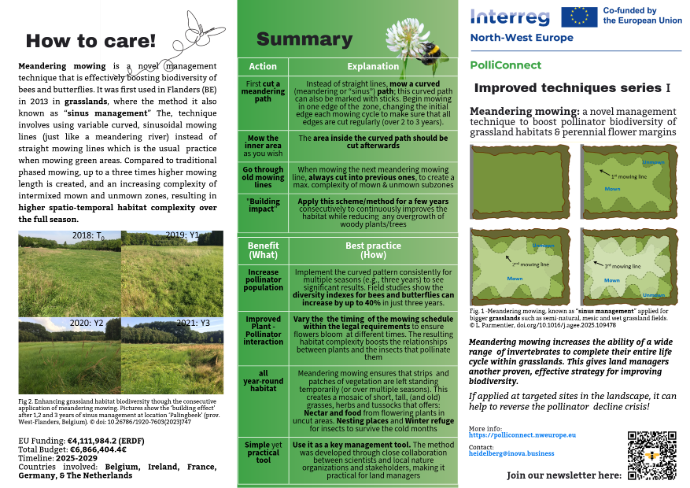
During the event, we shared the new diptych on meandering mowing (above) and used it as a practical tool to answer stakeholder questions. The leaflet helped explain why mowing patterns matter, when mowing is most useful, and how local authorities, land managers and citizens can support pollinator-friendly landscapes.
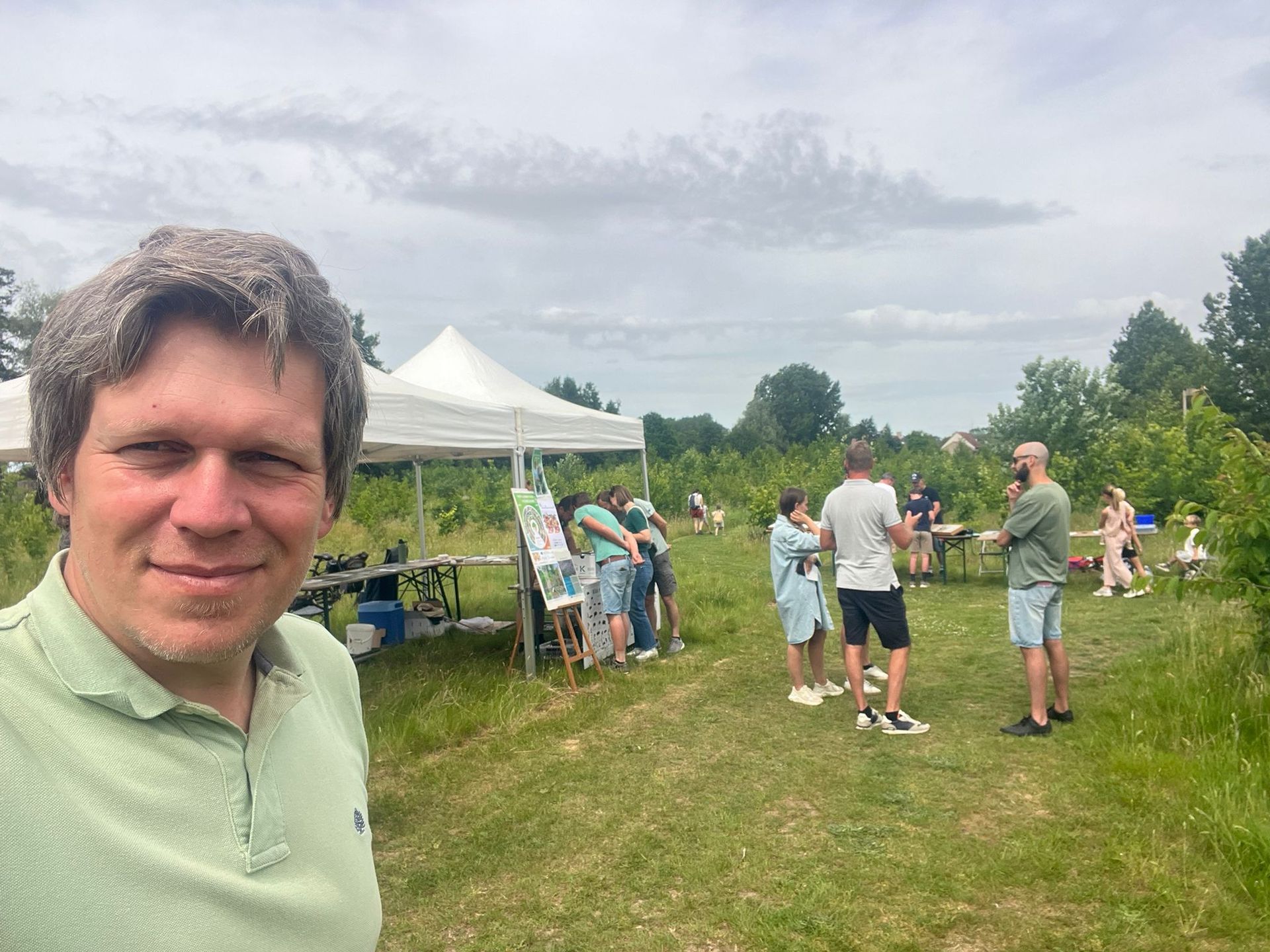
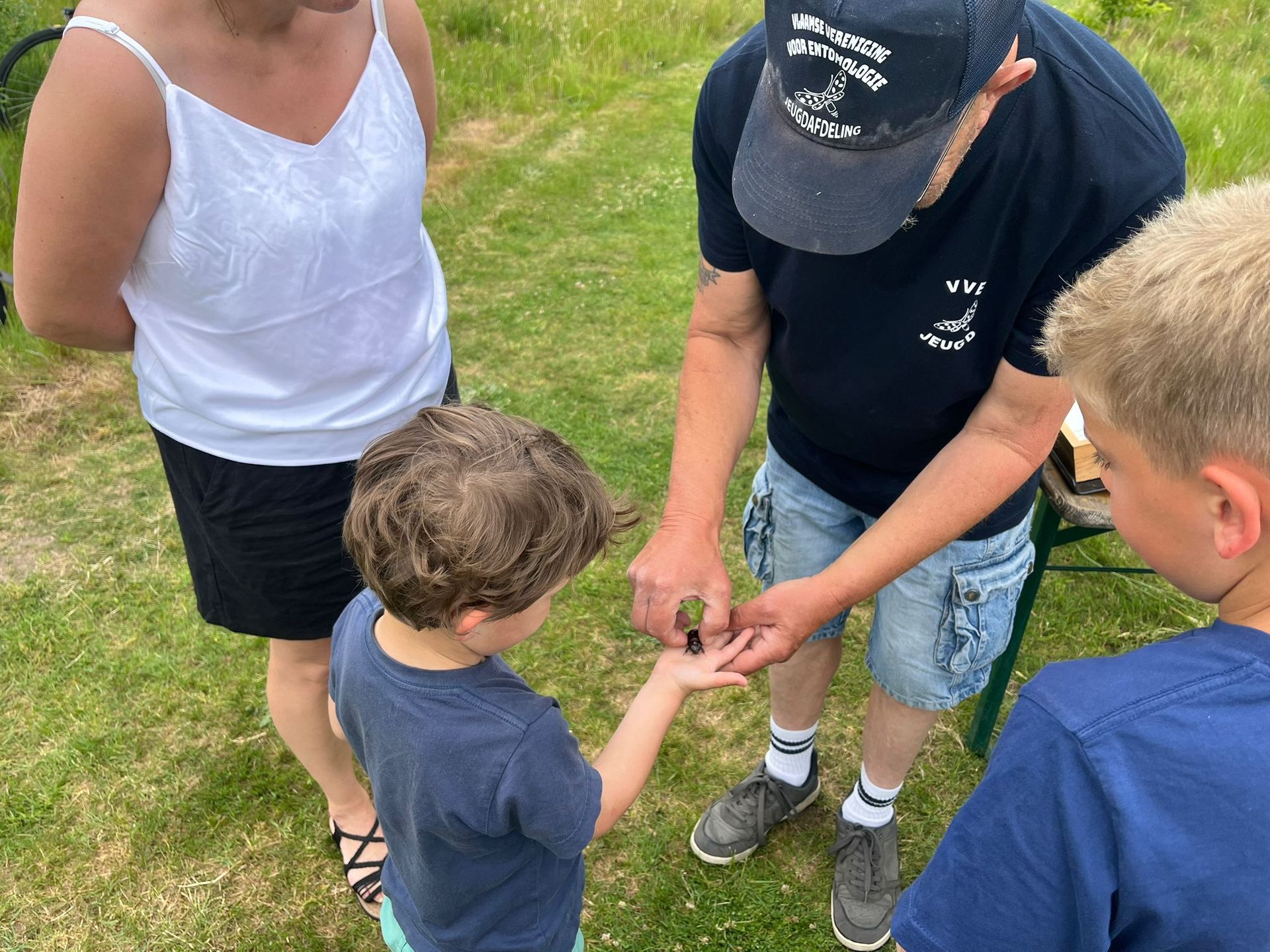
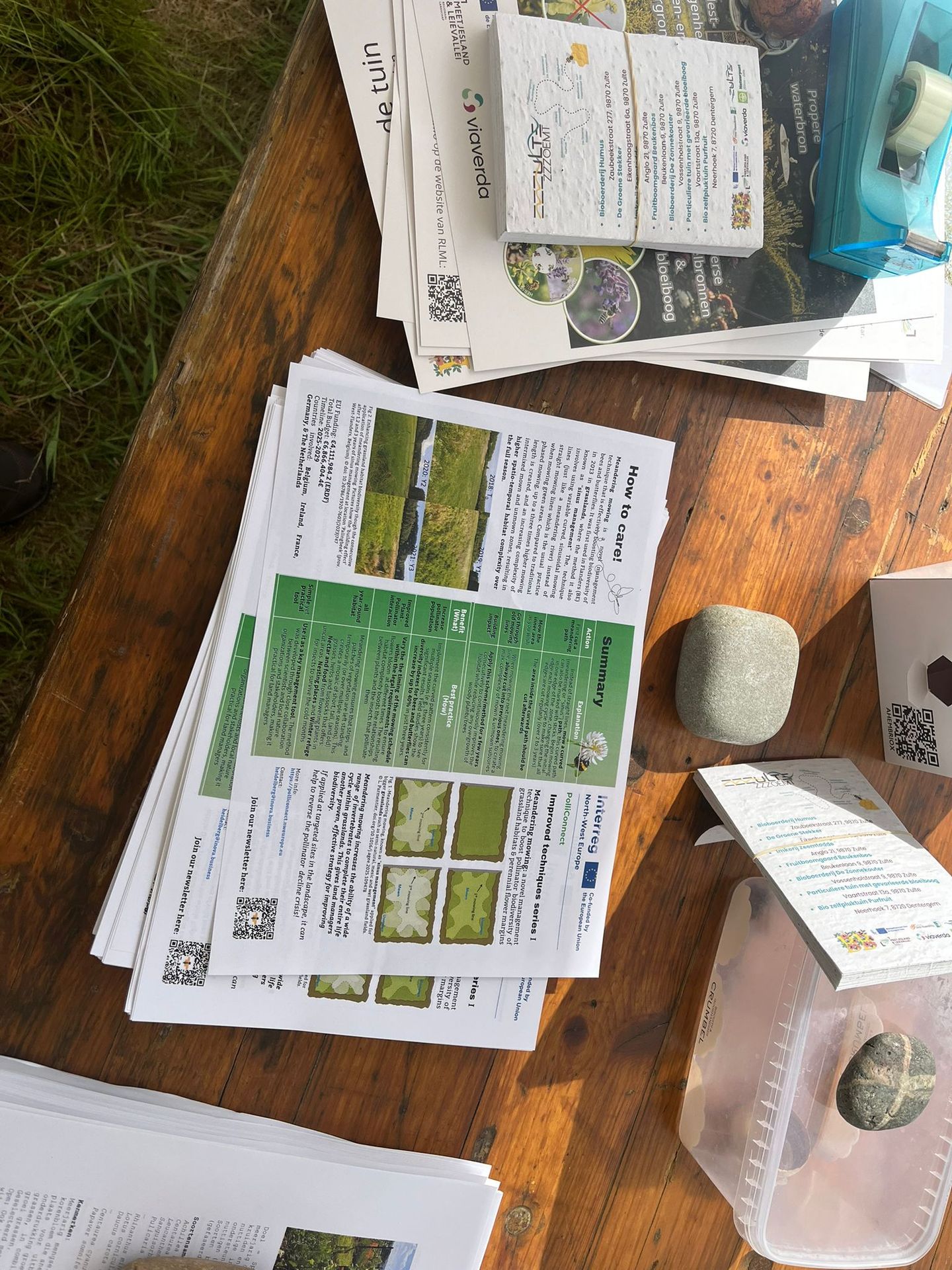
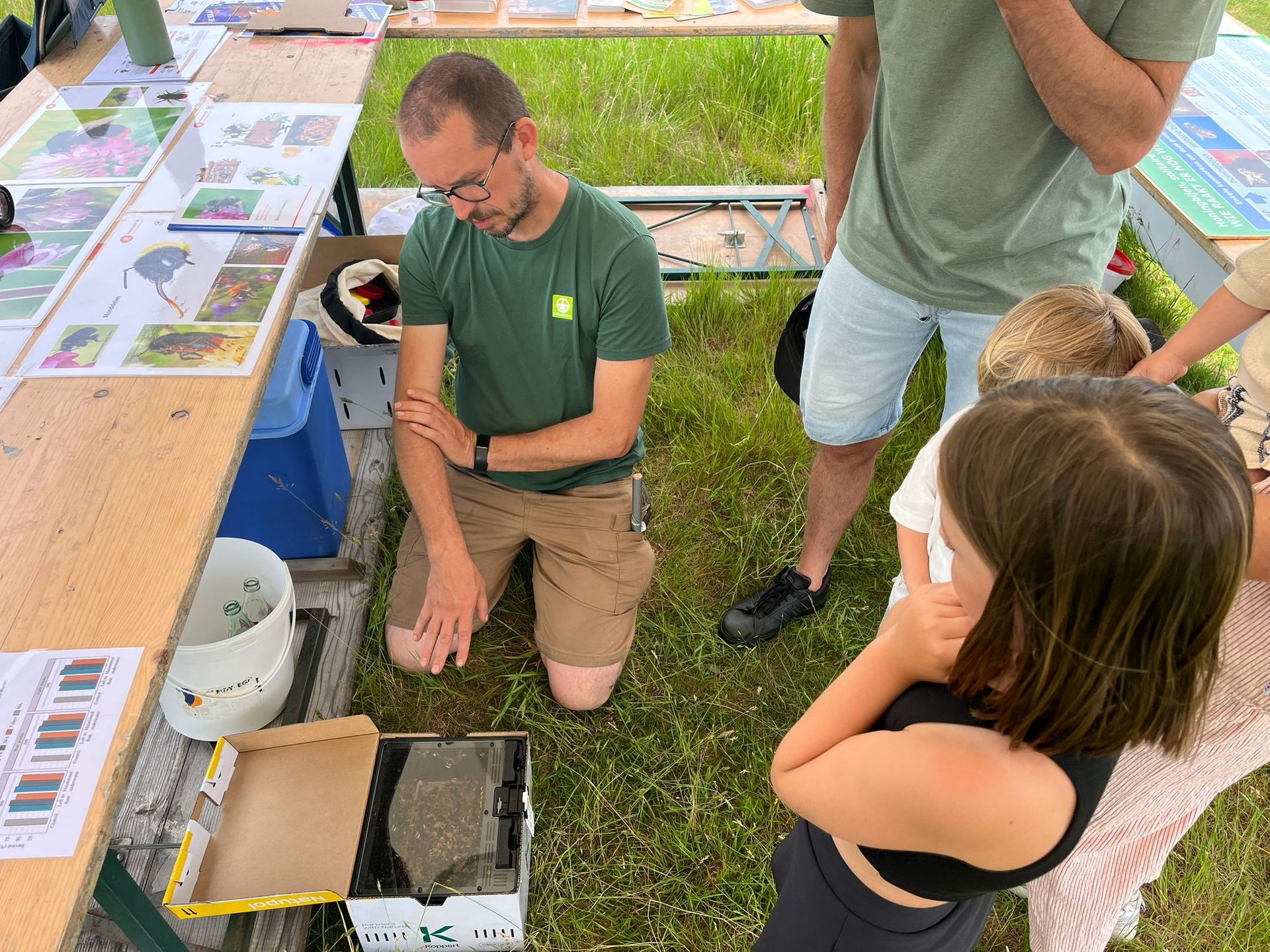
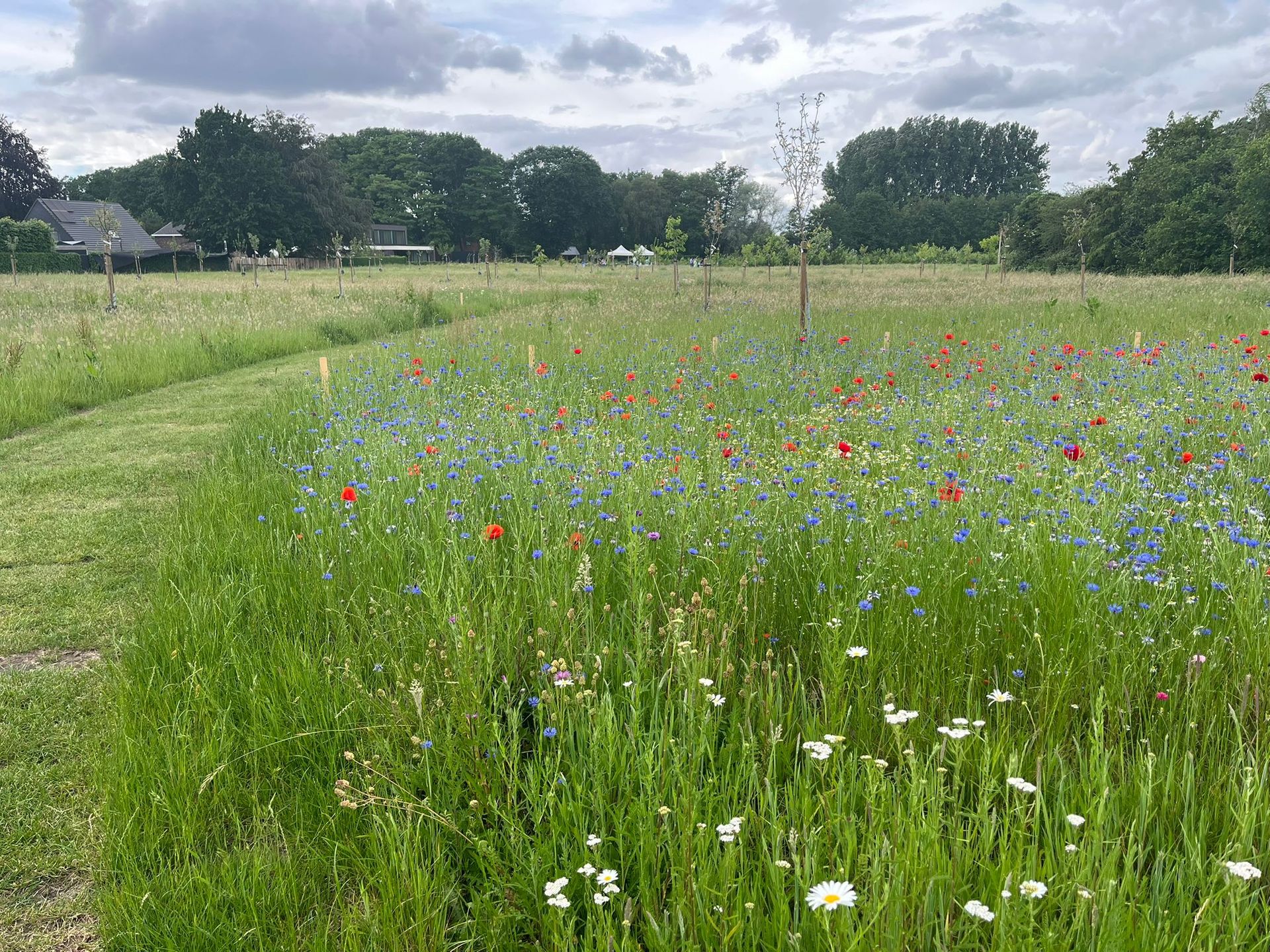
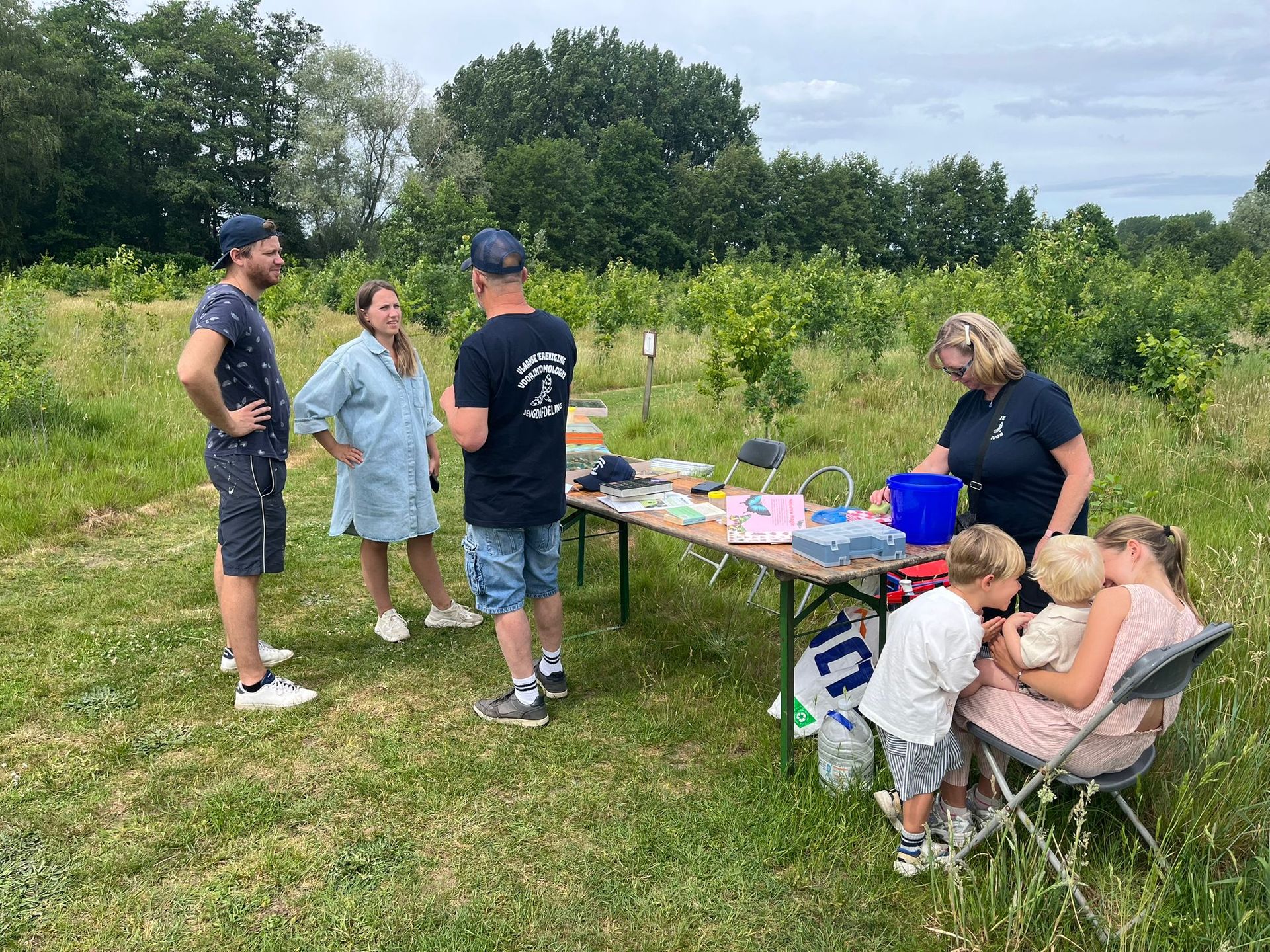
Thank you to Natuurpunt, VVE, Laurian Parmentier and everyone who visited us at Zulte Zoemt. The interest and enthusiasm we saw are exactly what is needed to make pollinator-friendly management grow from project idea to community practice.
PolliConnect is an Interreg North-West Europe project focused on enhancing pollinator biodiversity through ecological connectivity.