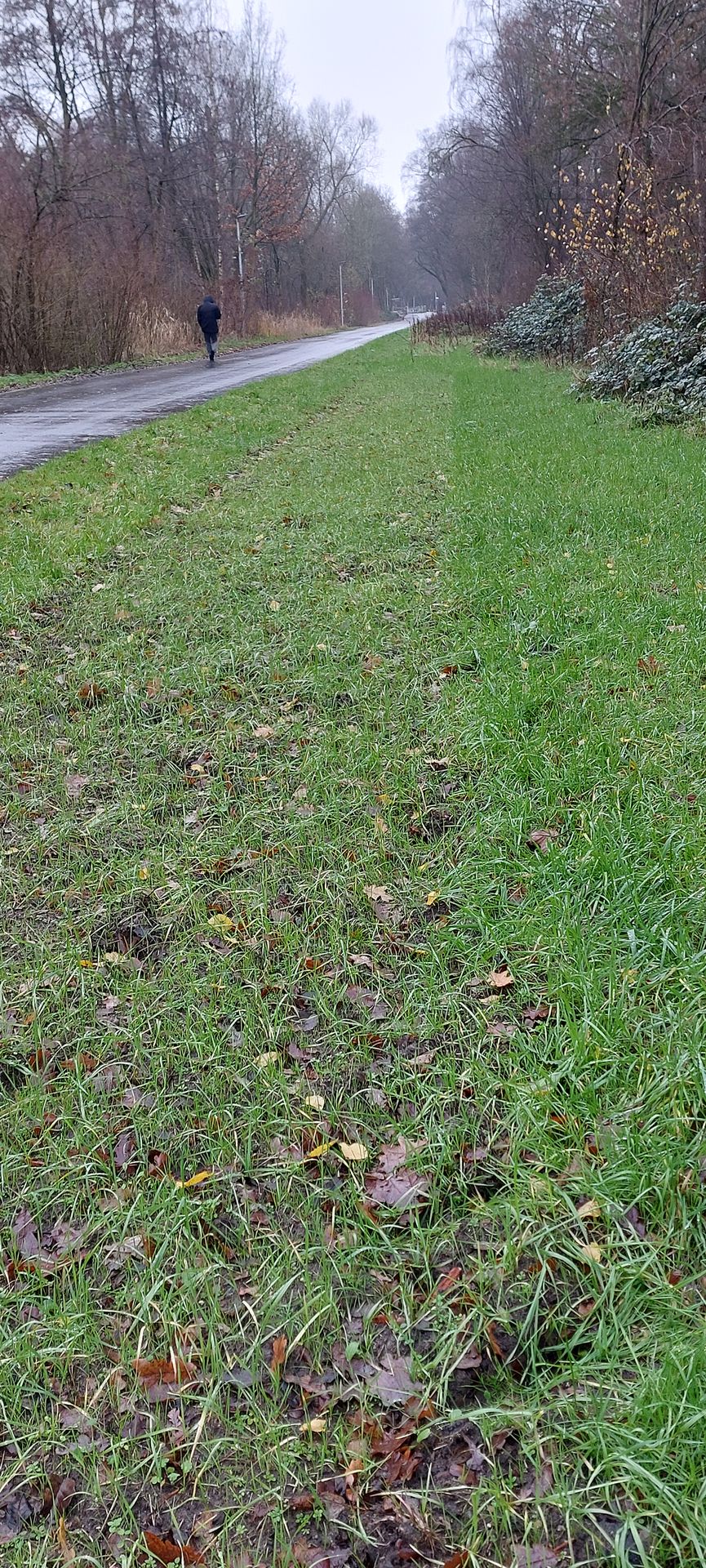
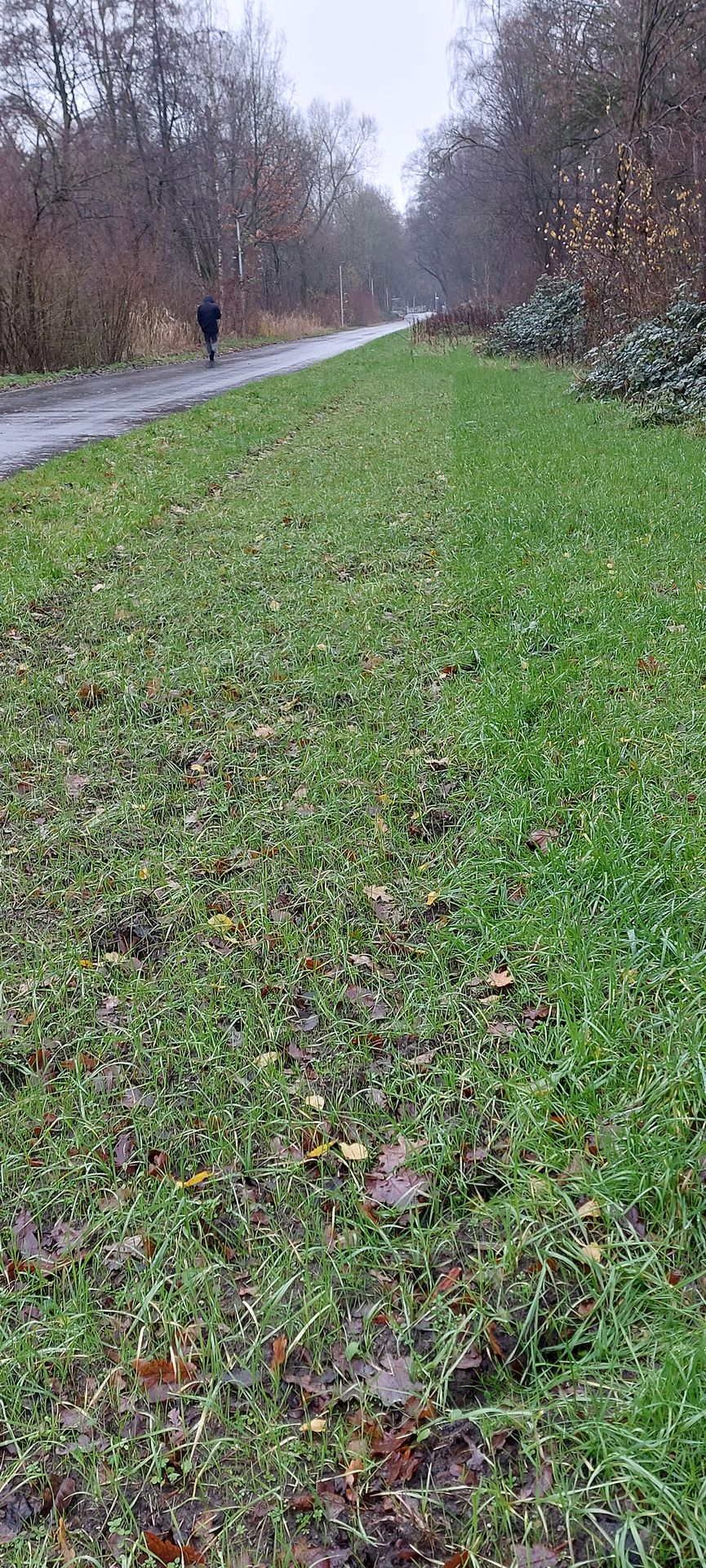
Near to a frequented cycle path on a strip of public land in Bremen, something long-term and ambitious has just begun: In October, the city’s greenkeeping service sowed a new hydrophilous flower strip designed especially for moist soils along ditches and at the edges of wet woodlands. Today, it still looks modest: a low, green veil just beginning to cover the ground, but much better that other areas, however its real promise lies a few years ahead.
This sowing is not a quick fix for next spring. It is inspired by the EU habitat type 6430, the so-called “Hydrophilous tall herb fringe communities of plains and of the montane to alpine levels” typical of Northwest European landscapes along streams, ditches and forest boundaries. These plant communities take time. They need around three to five years before the vegetation reaches its characteristic height and structure and before the first major cut is made. For Bremen, that means a conscious choice for patience and ecological quality over instant impact.
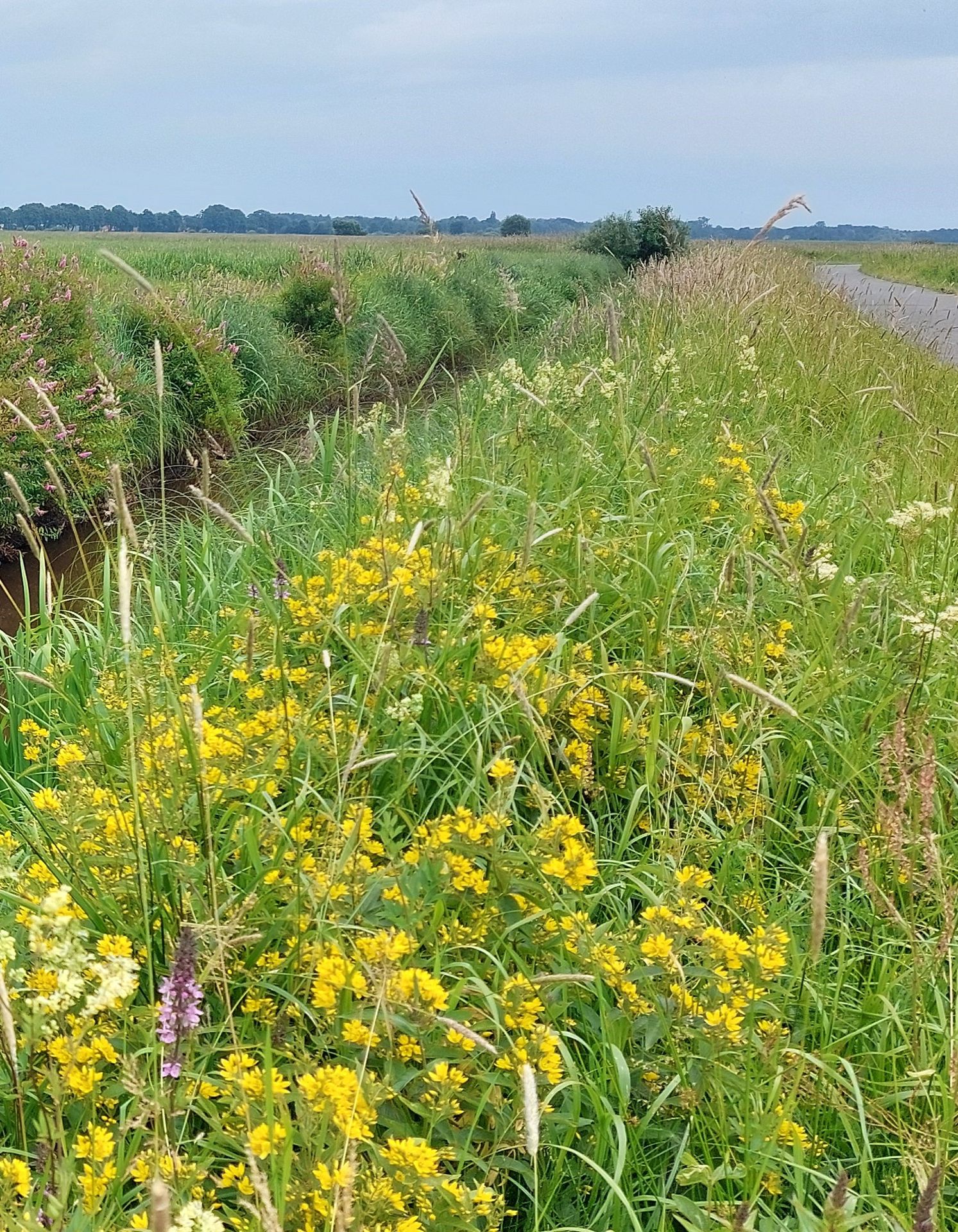
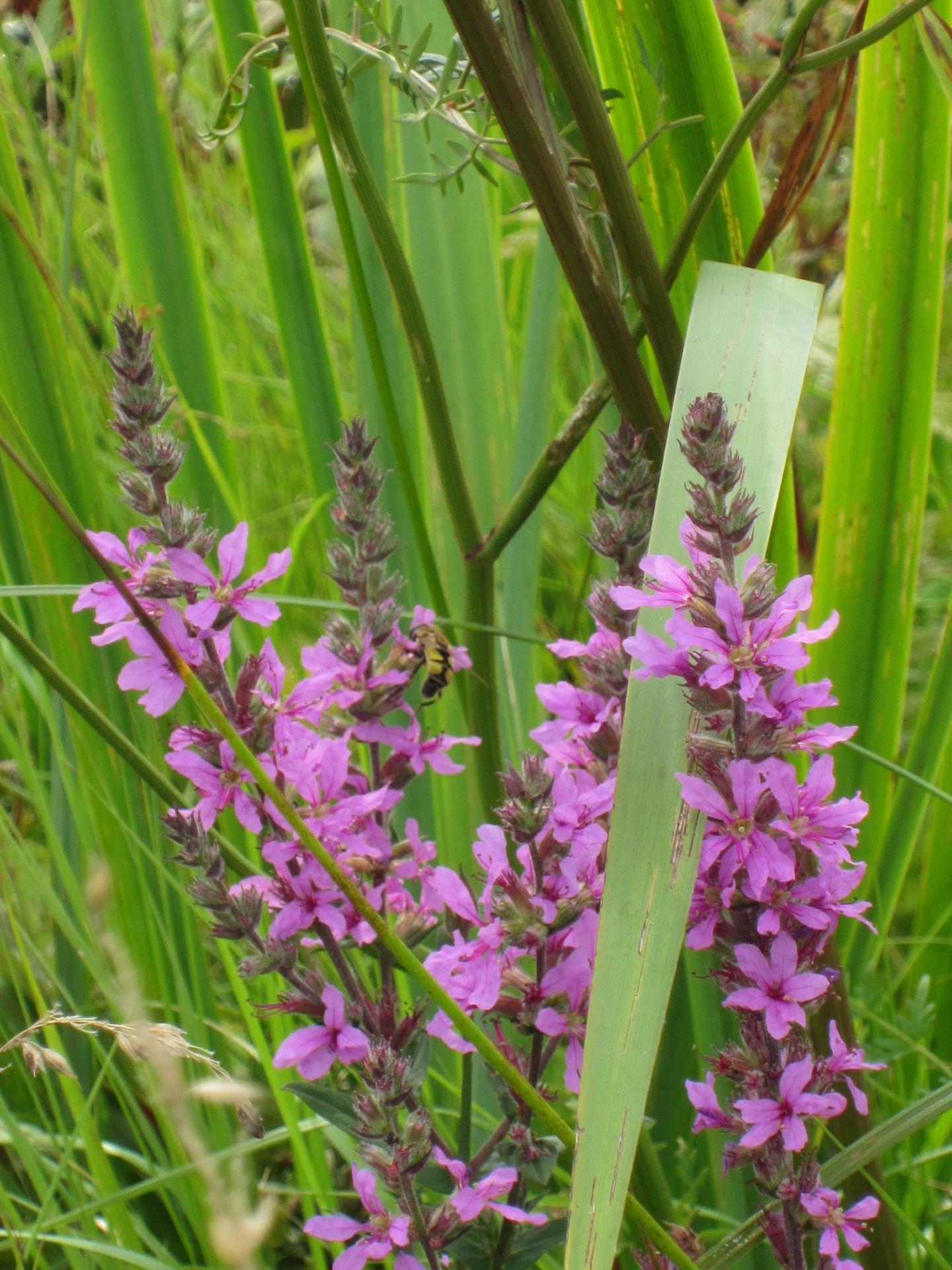
The seed mix is tailored for moist soils and periodic flooding: a community of tall herbs and flowering plants that are comfortable with wet feet and cool roots. Over the coming seasons, species typical of such habitats will slowly outcompete short-lived solutions.
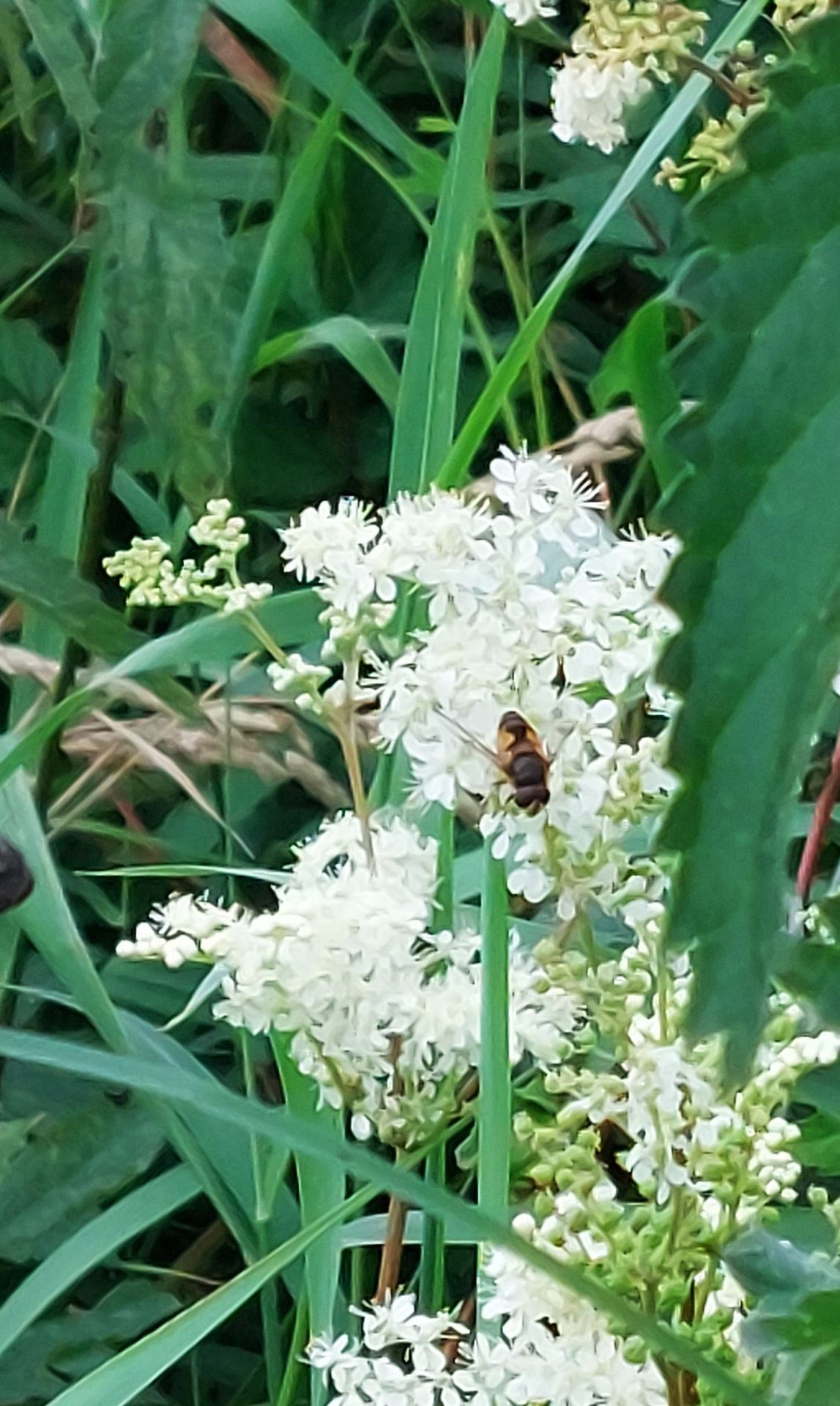
For pollinators, this is extremely good news. Tall hydrophilous herb strips are renowned for their rich and prolonged flowering. 78% of their plant species are classified as important for pollinators (Kudrnovsky et al. 2020). Different species follow one another through the season, offering nectar and pollen from late spring well into late summer, especially when grassland and boundaries are already mown. The vertical structure and dense foliage also provide shelter, nesting sites and safe corridors for insects to move through the landscape as it functions as a genuine forage and movement corridor for bees, hoverflies, butterflies and many other insects.
For Bremen’s public greenkeepers, this flower strip is both an experiment and a showcase. It demonstrates how a relatively simple change in seed mix and management can create a habitat that is closer to natural reference types and at the same time delivers clear benefits for pollinators and other wildlife. It also shows citizens that public green can be more than short turf or ornamental planting: it can be living infrastructure that stores water, cools the city and supports biodiversity.
For now, the strip’s story is one of patience that will slowly grown into a new piece of nature in the city. We will keep you updated!