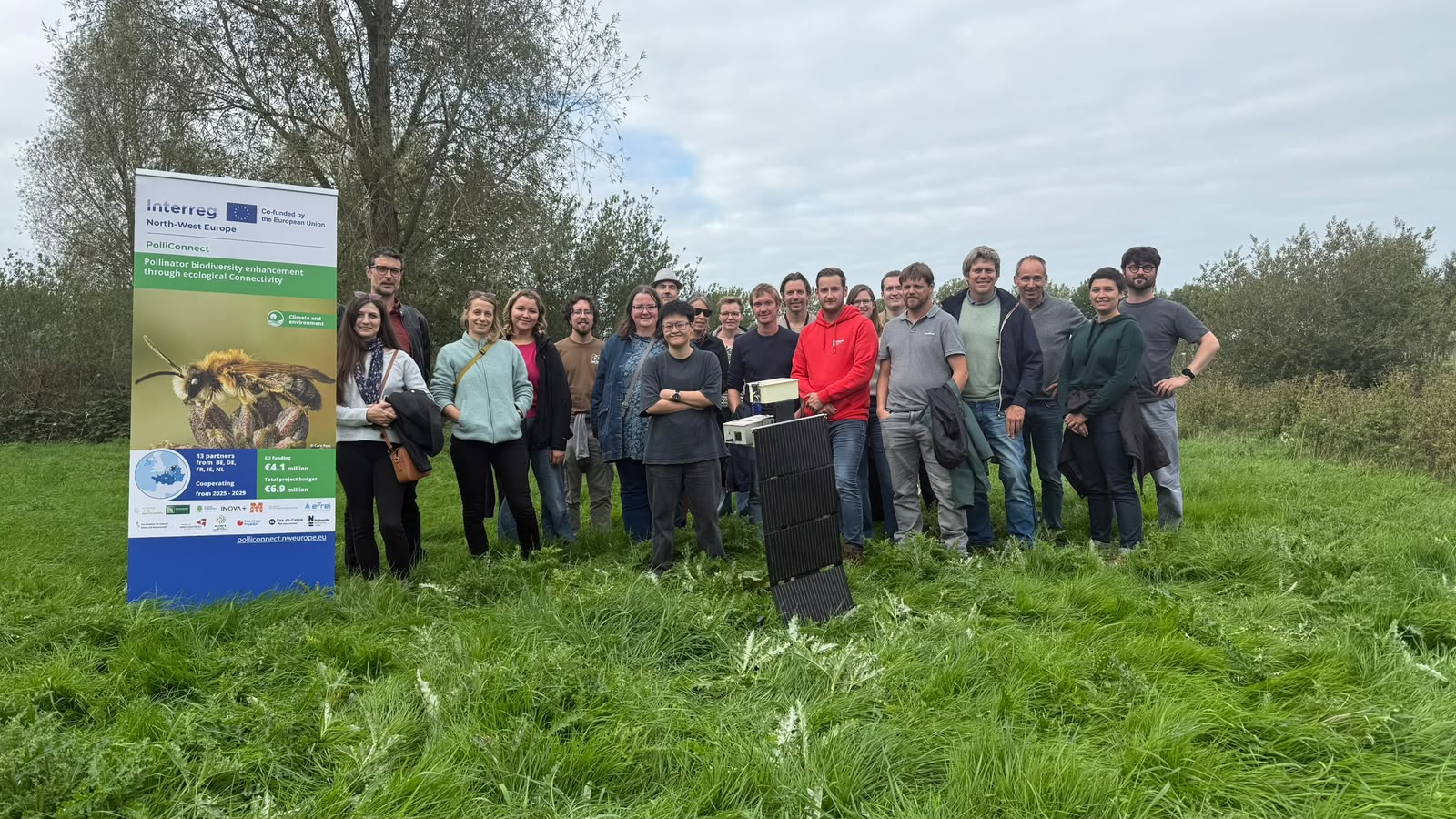
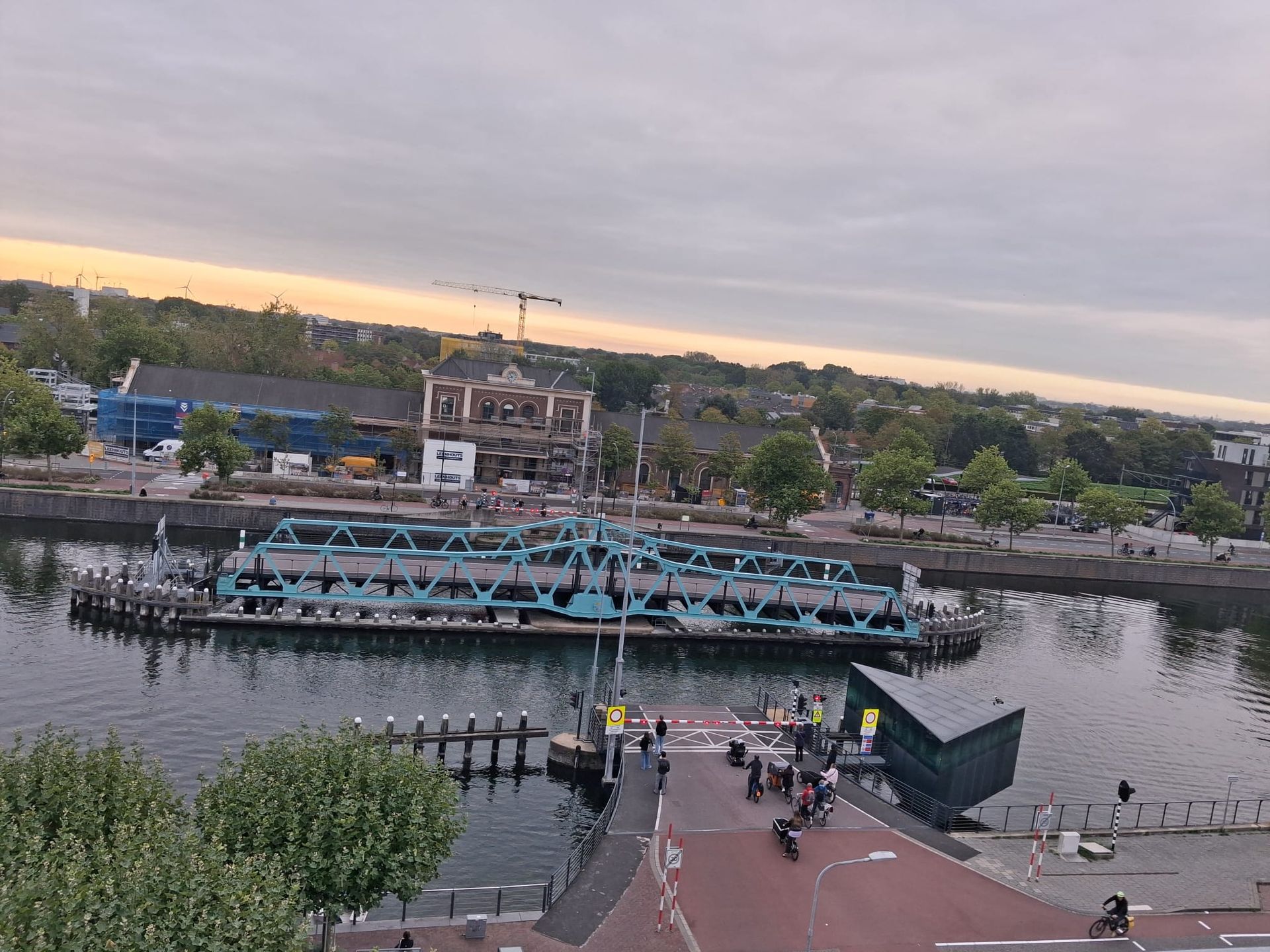
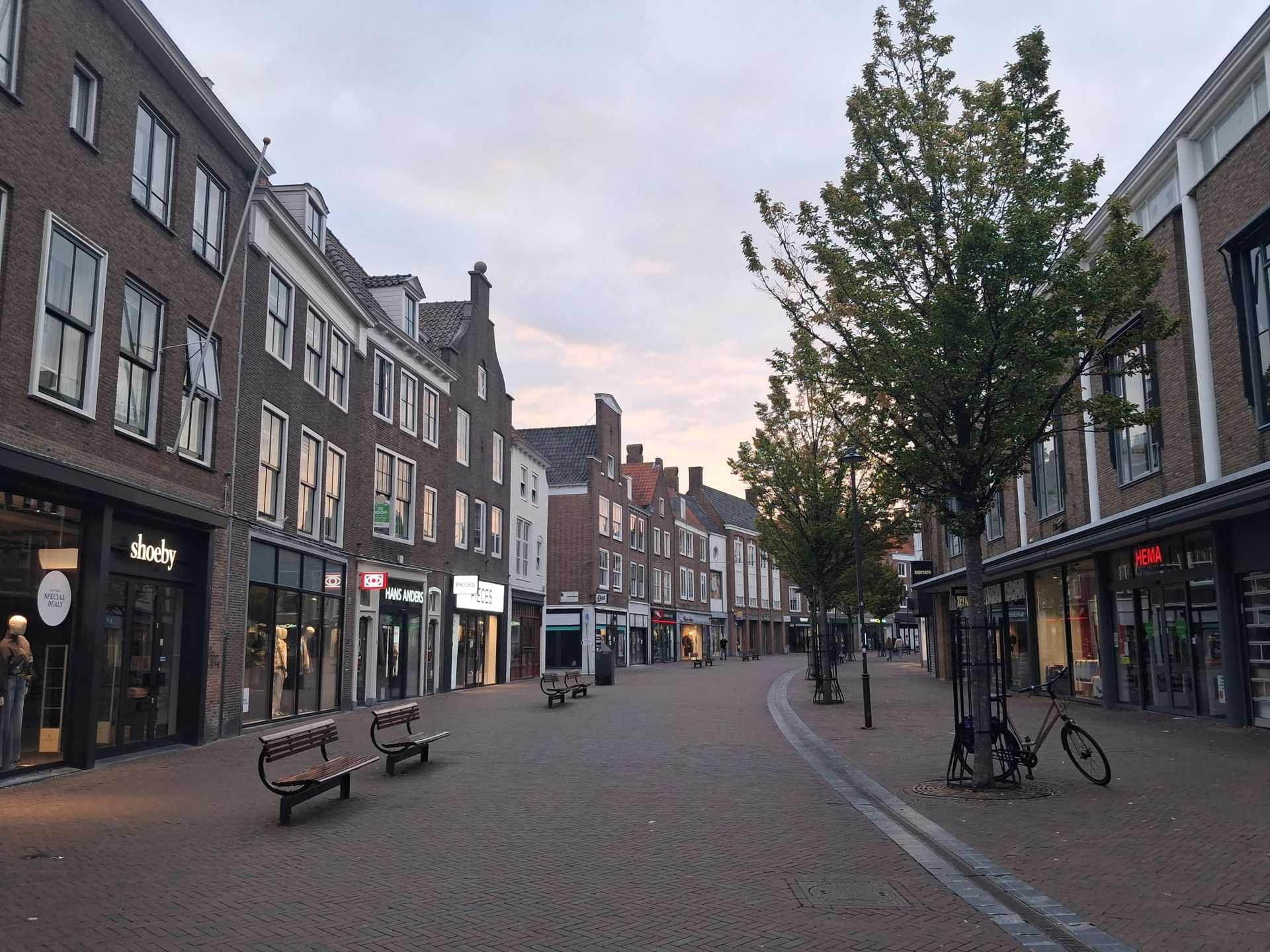
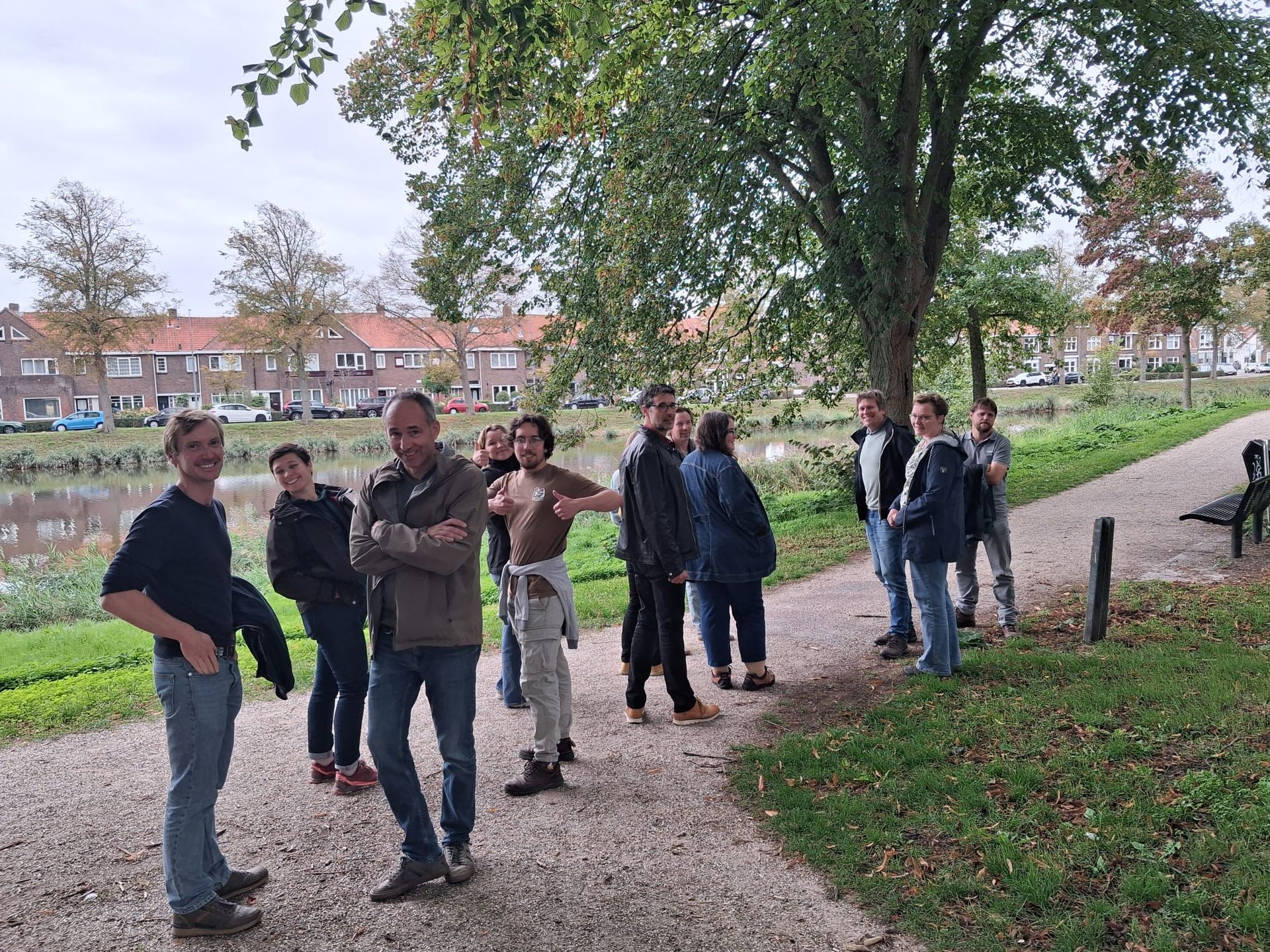
On 22 and 23 September, the PolliConnect partnership came together in Middelburg, the Netherlands, for two intensive days of project discussions, practical exchange and field visits.
Hosted by the Municipality of Middelburg, the meeting brought partners together to connect the project’s strategic work with what is happening on the ground in the Living Labs. Project planning, communication, mowing machinery, habitat management and field monitoring, are just some of the activities. The meeting offered a valuable opportunity to see how the different parts of PolliConnect come together in practice.
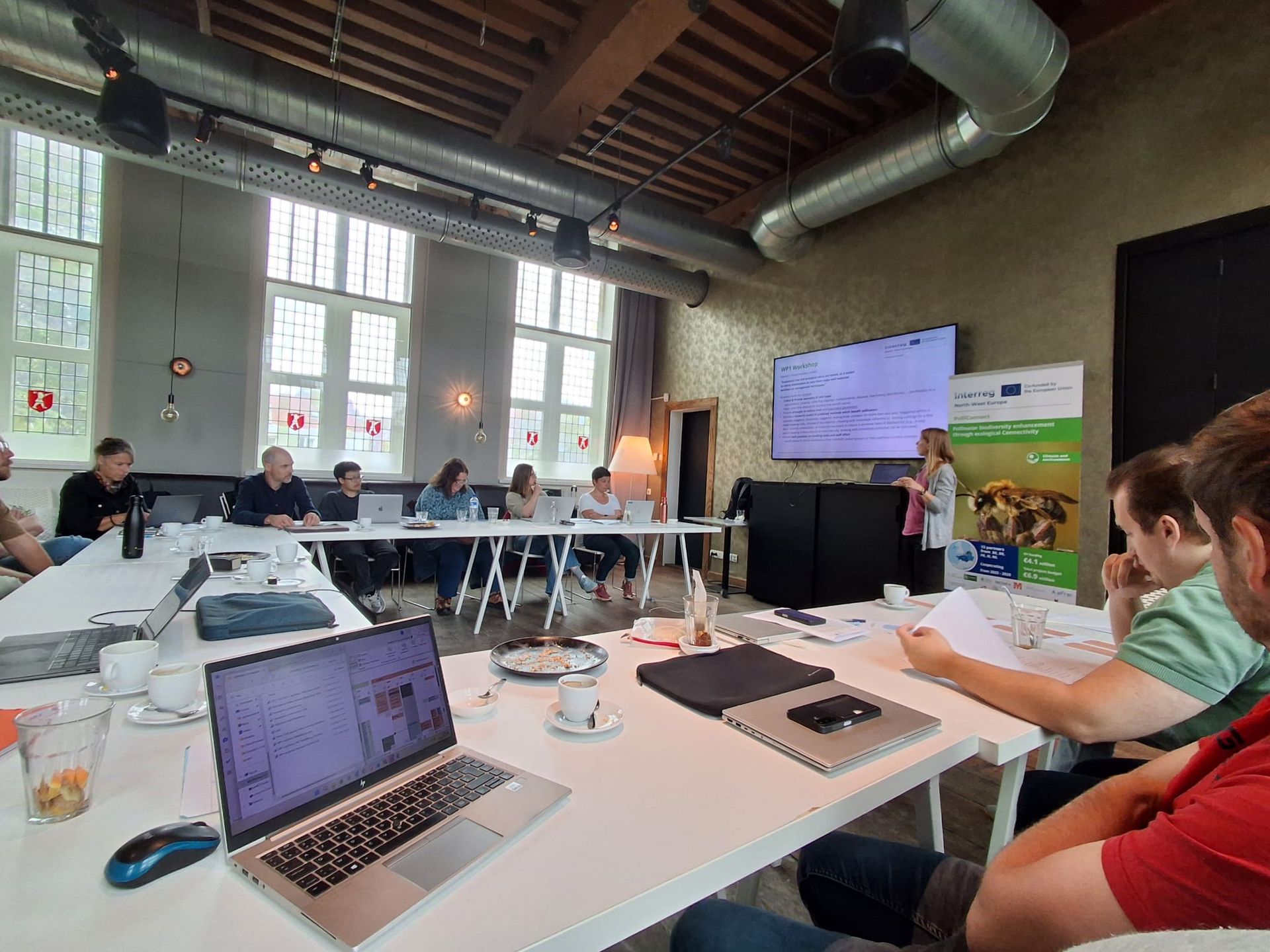
The first day started at Kloveniersdoelen Houttuinen with working sessions focused on WP1 and WP2. These discussions allowed partners to review ongoing activities, exchange experiences and align on the next steps for the project.
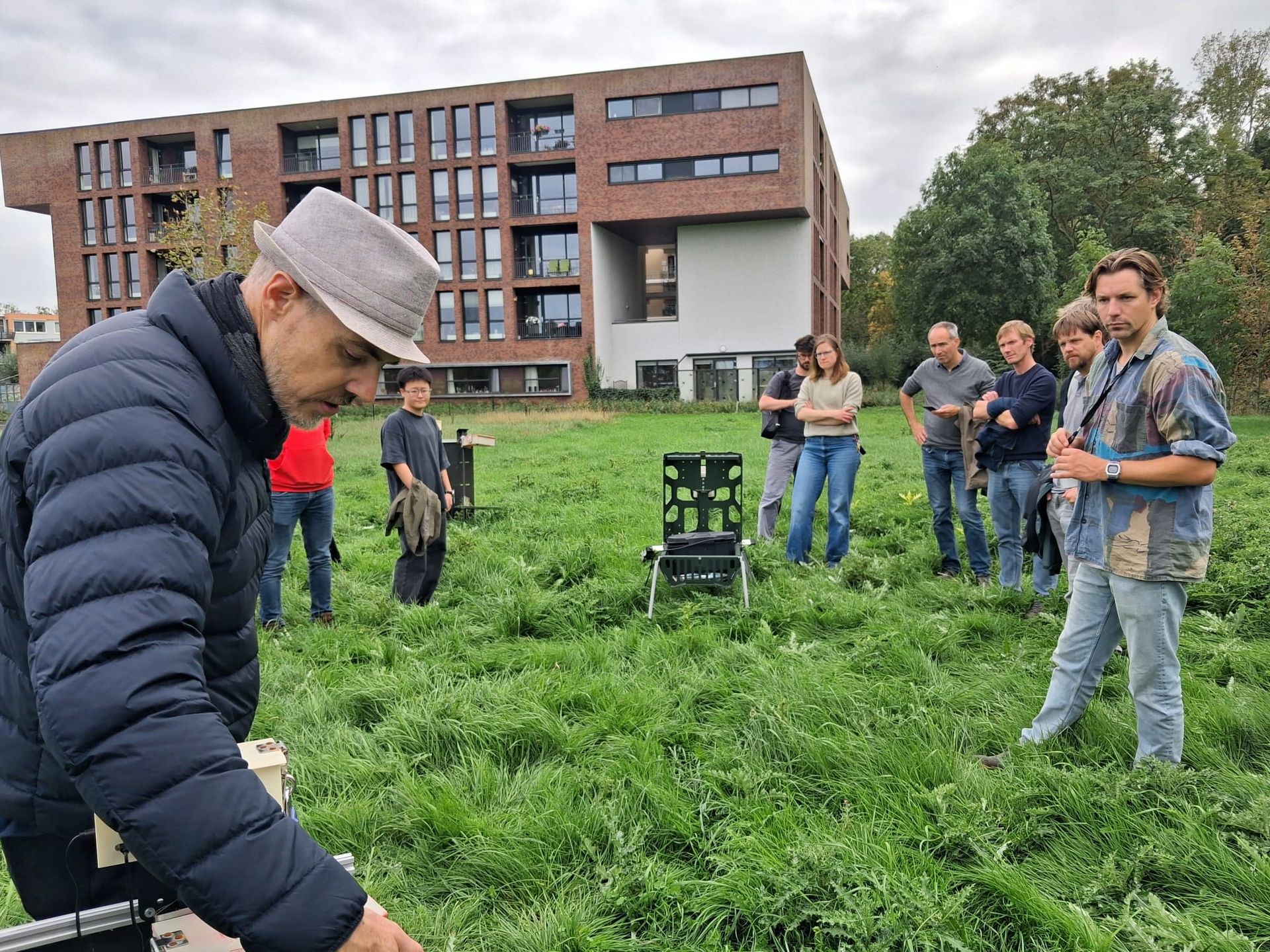
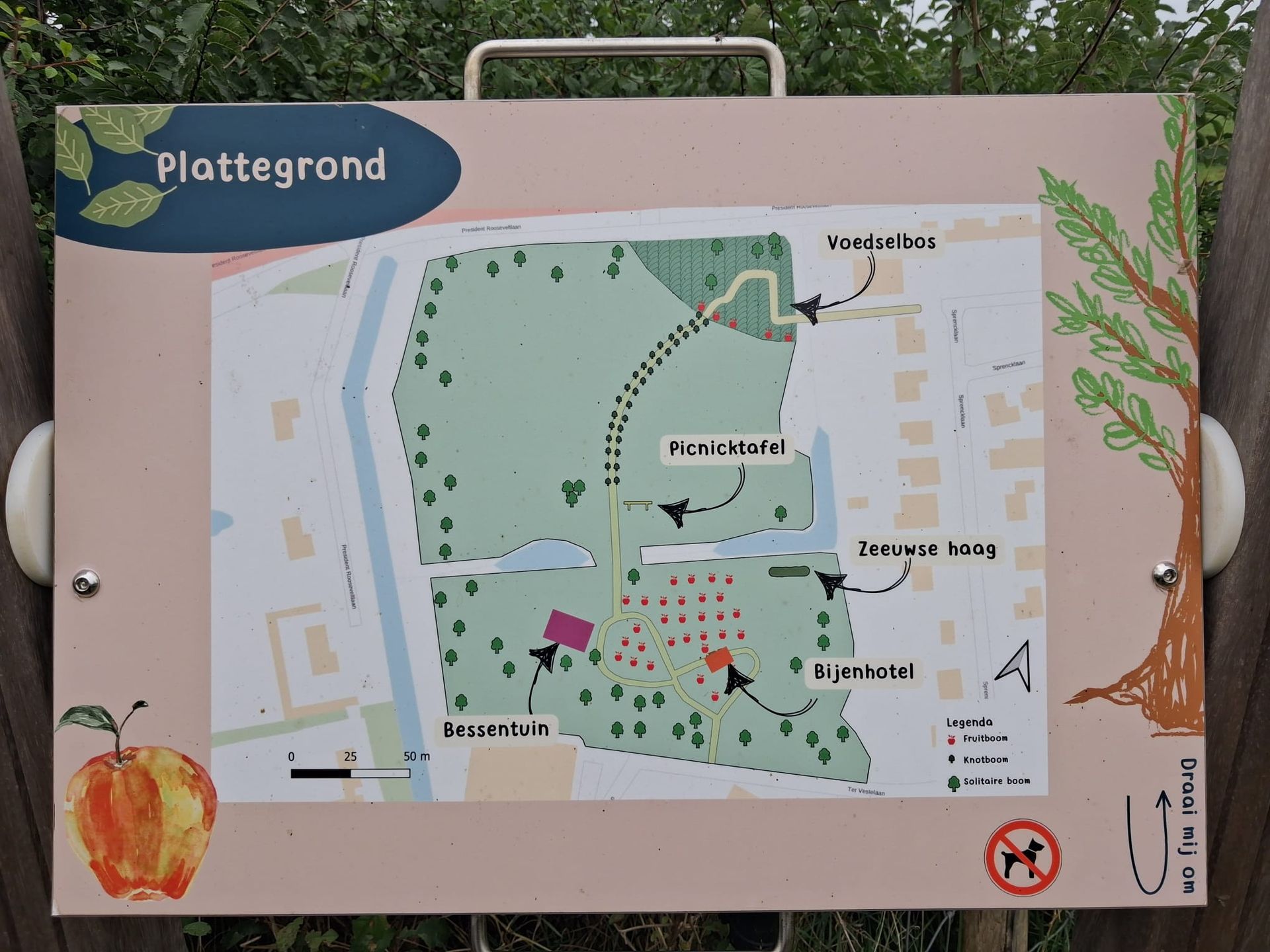
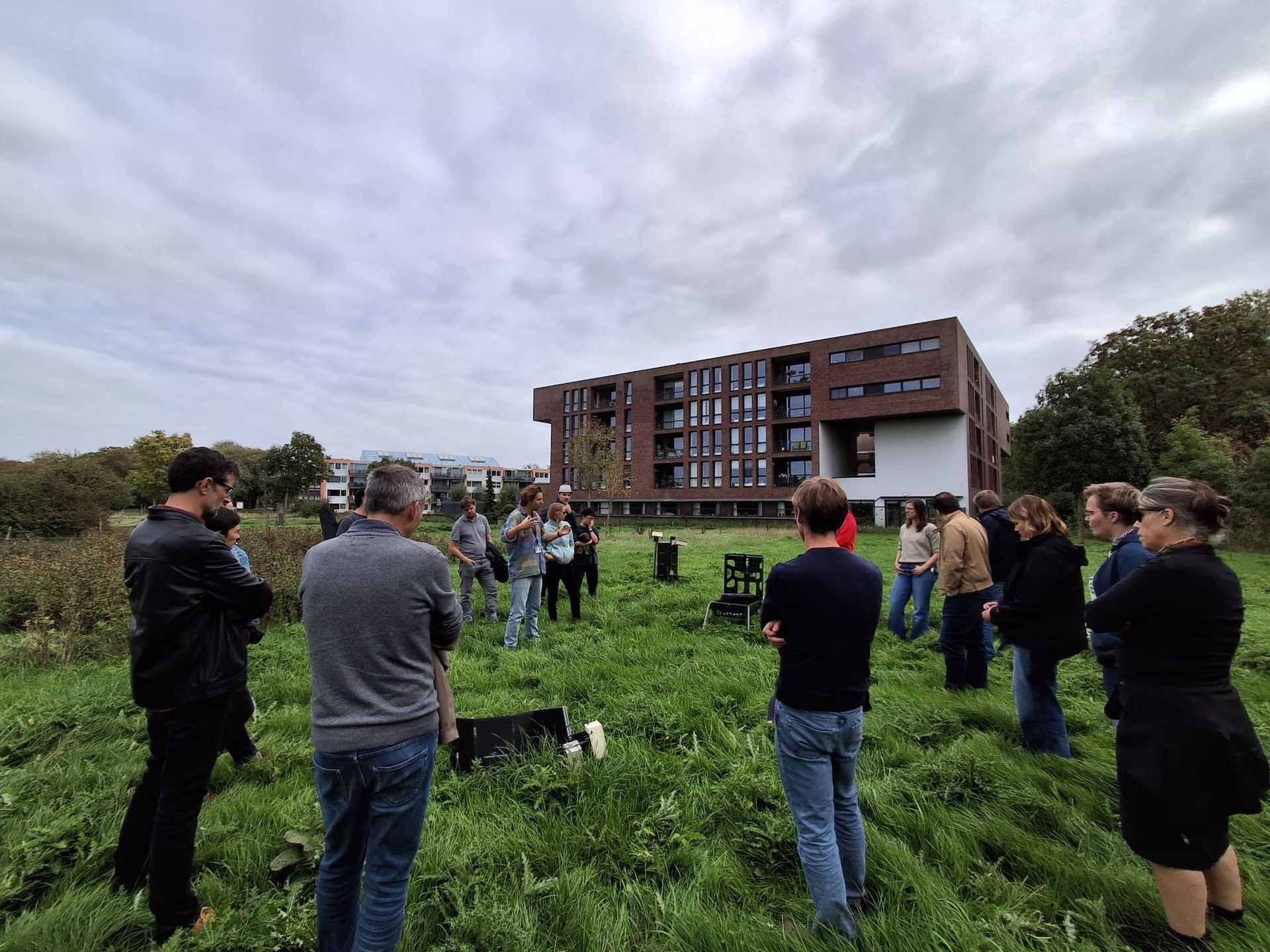
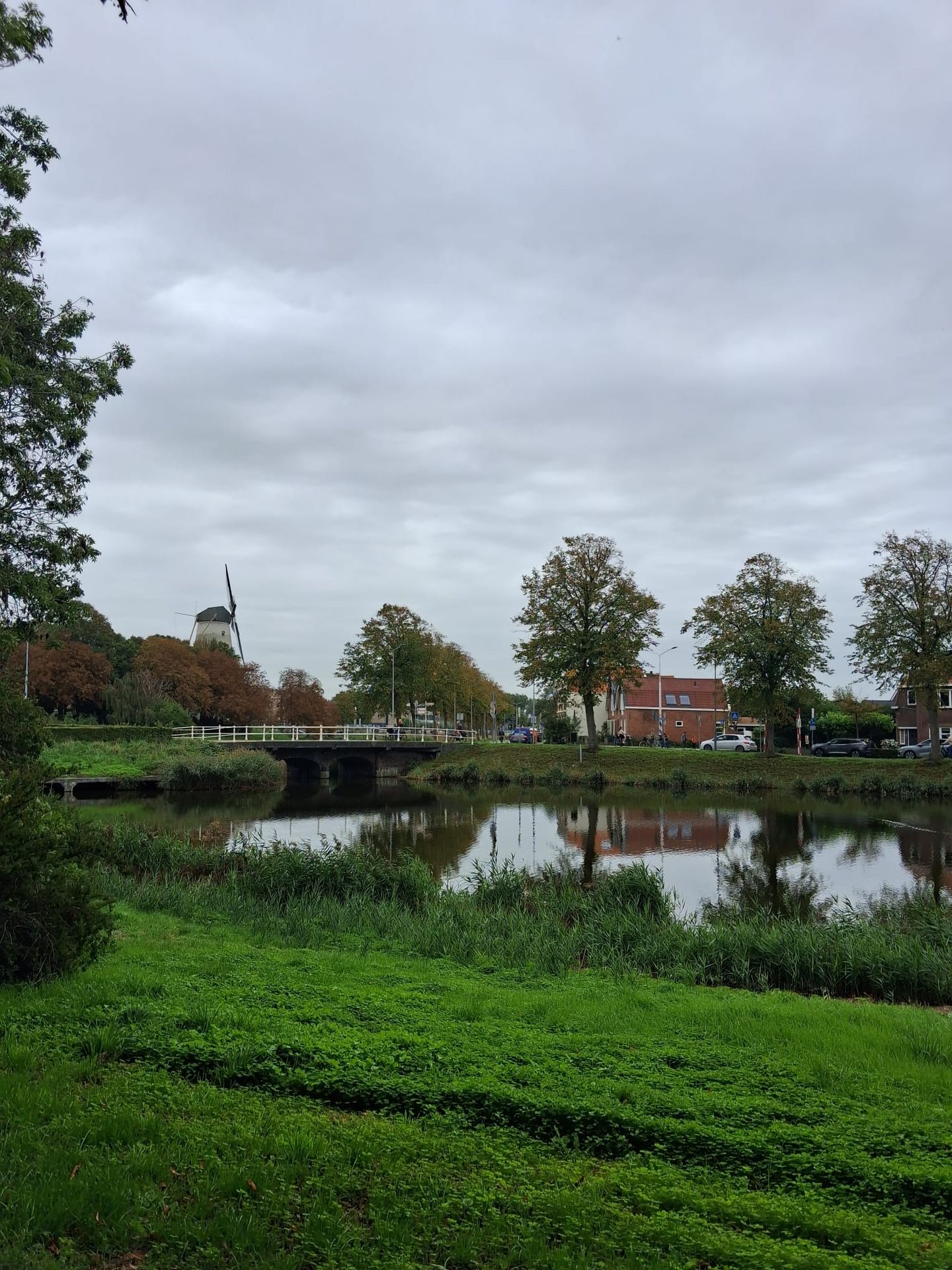
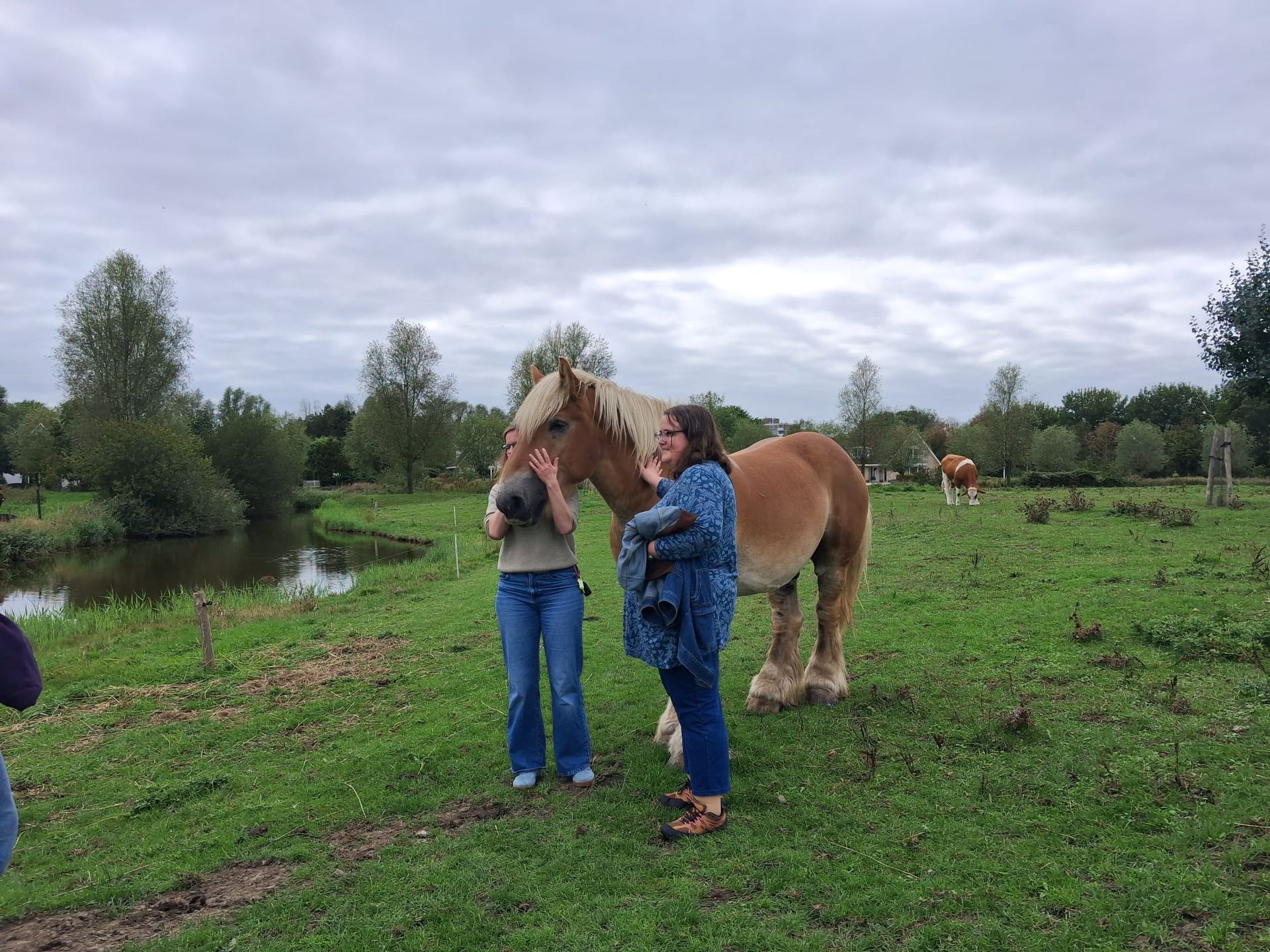
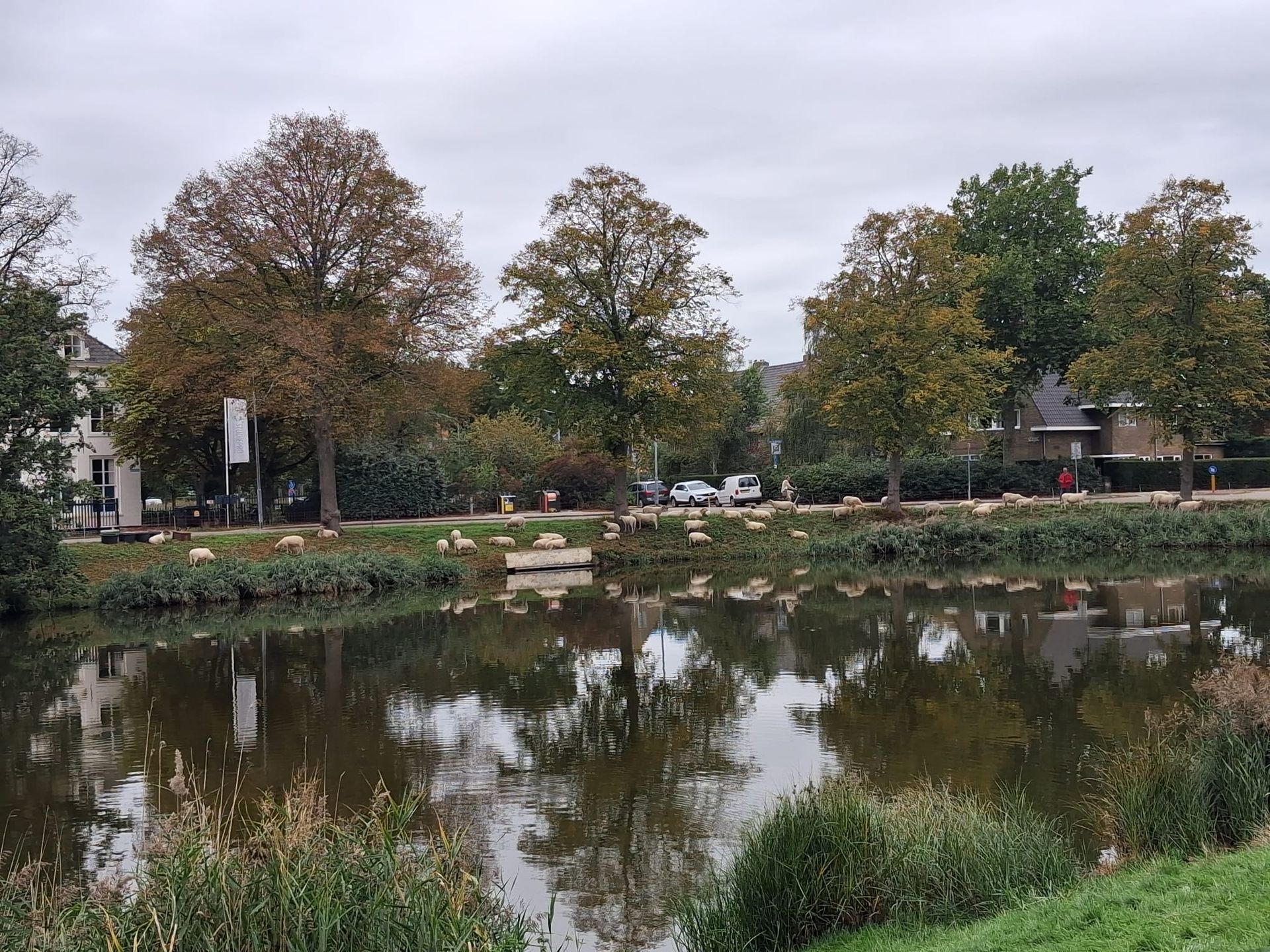
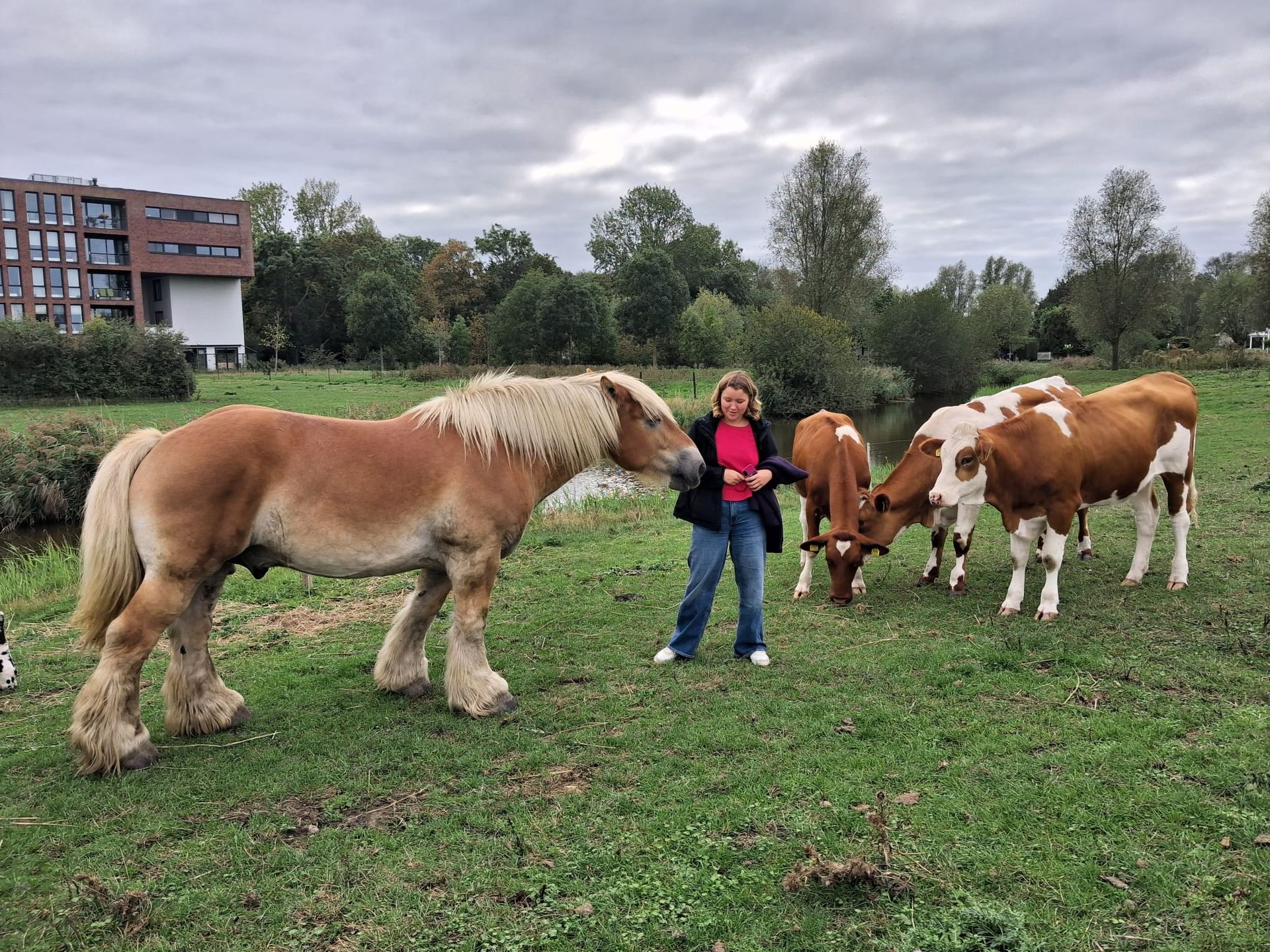
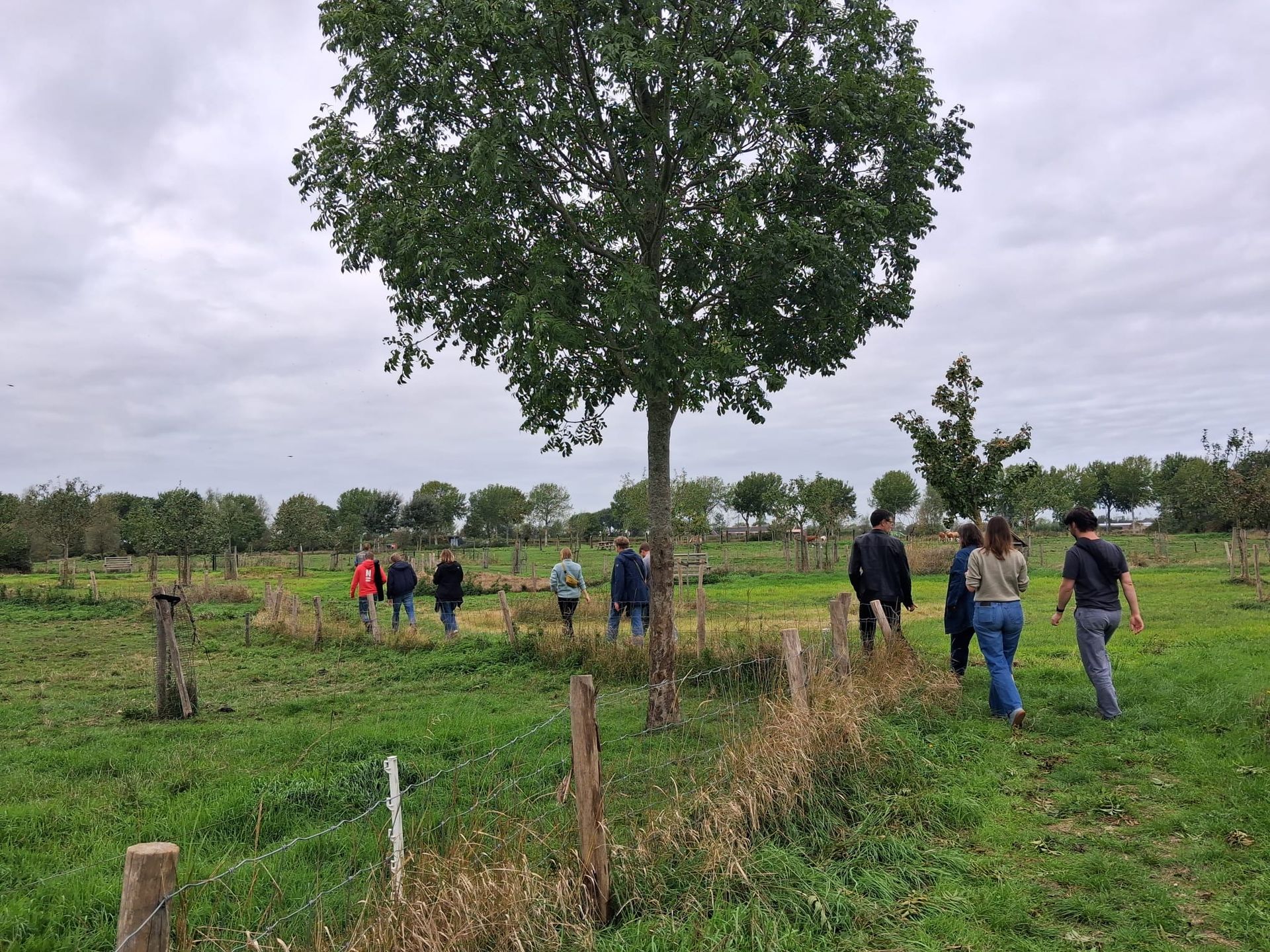
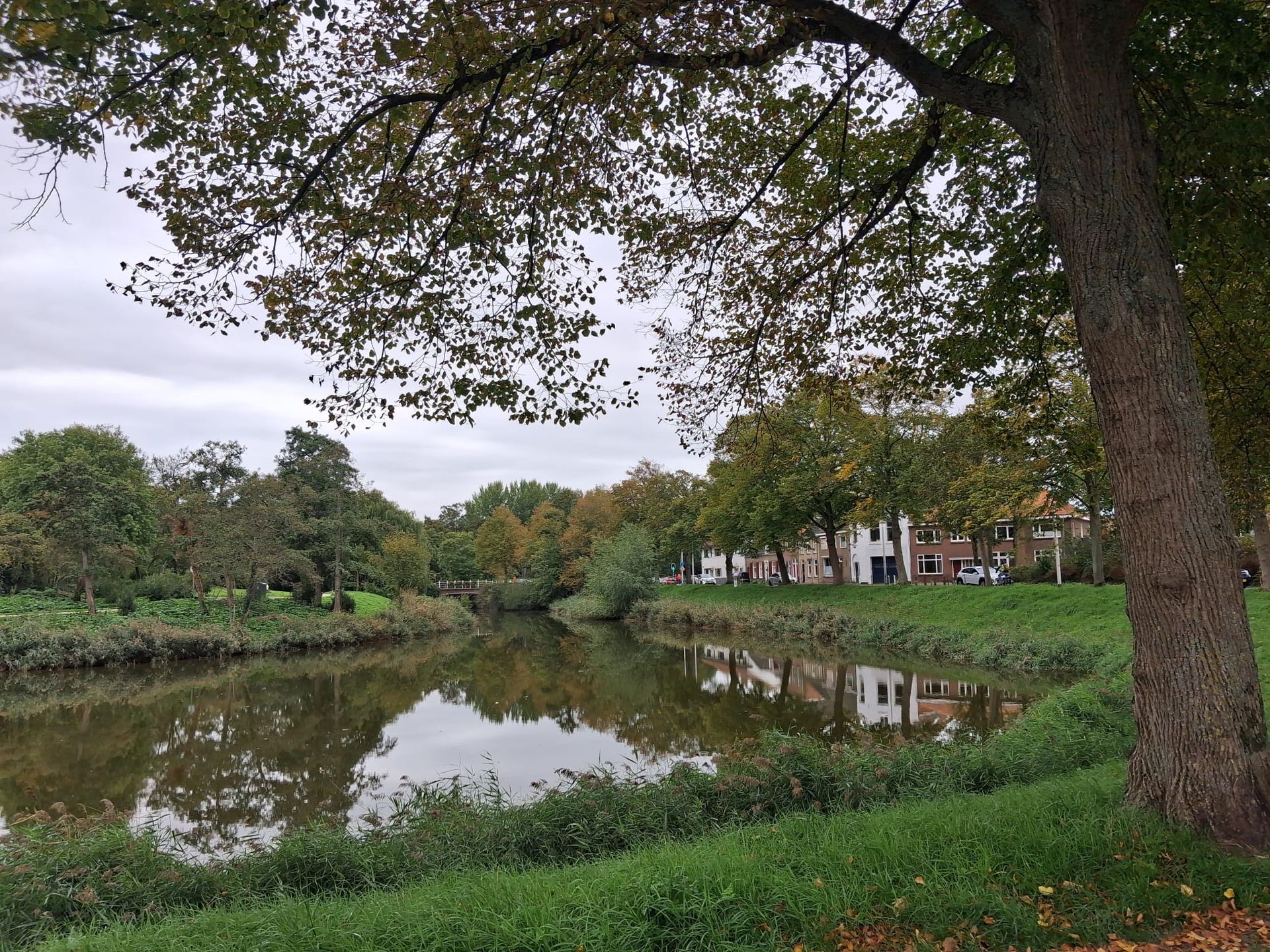
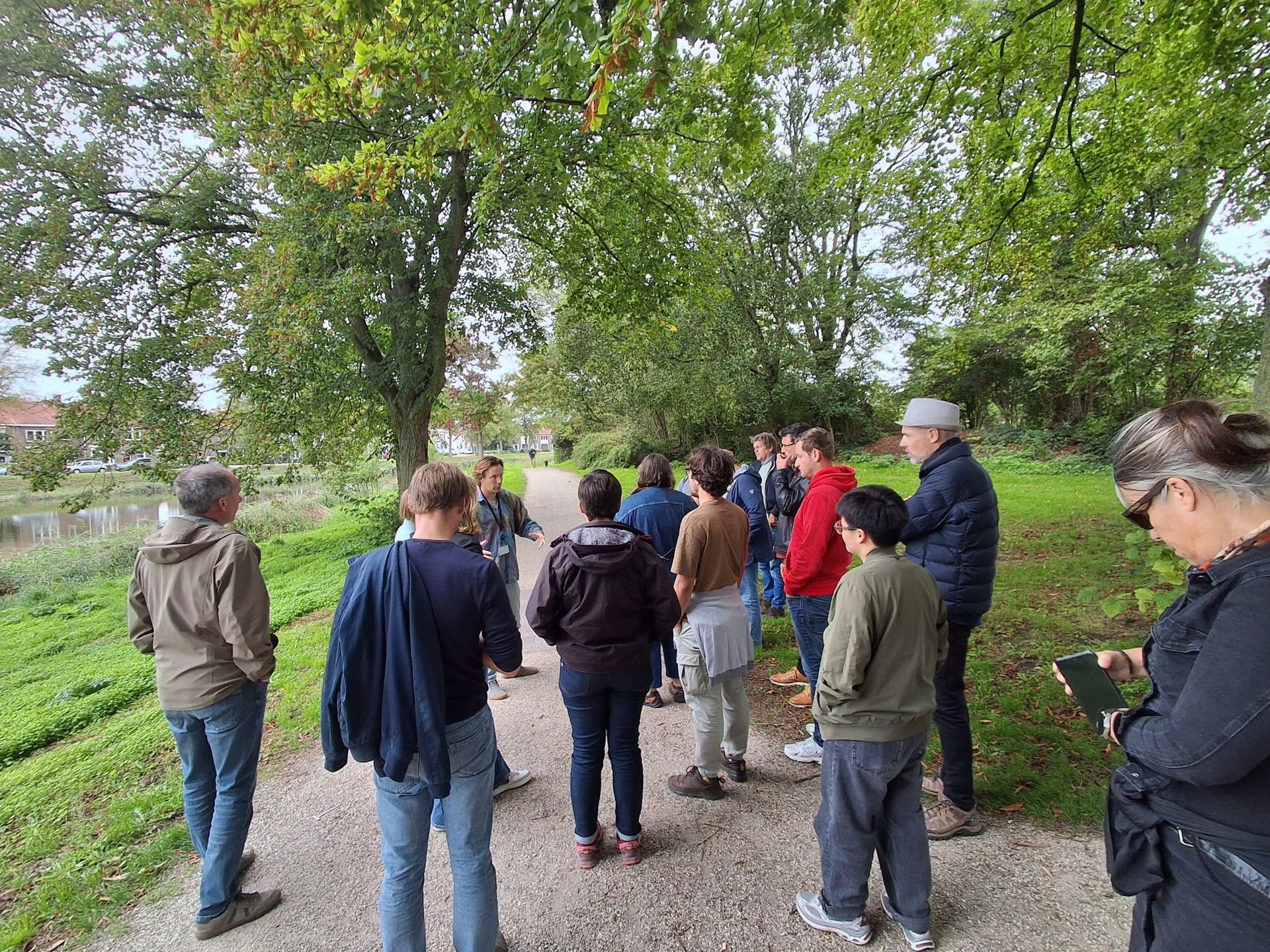
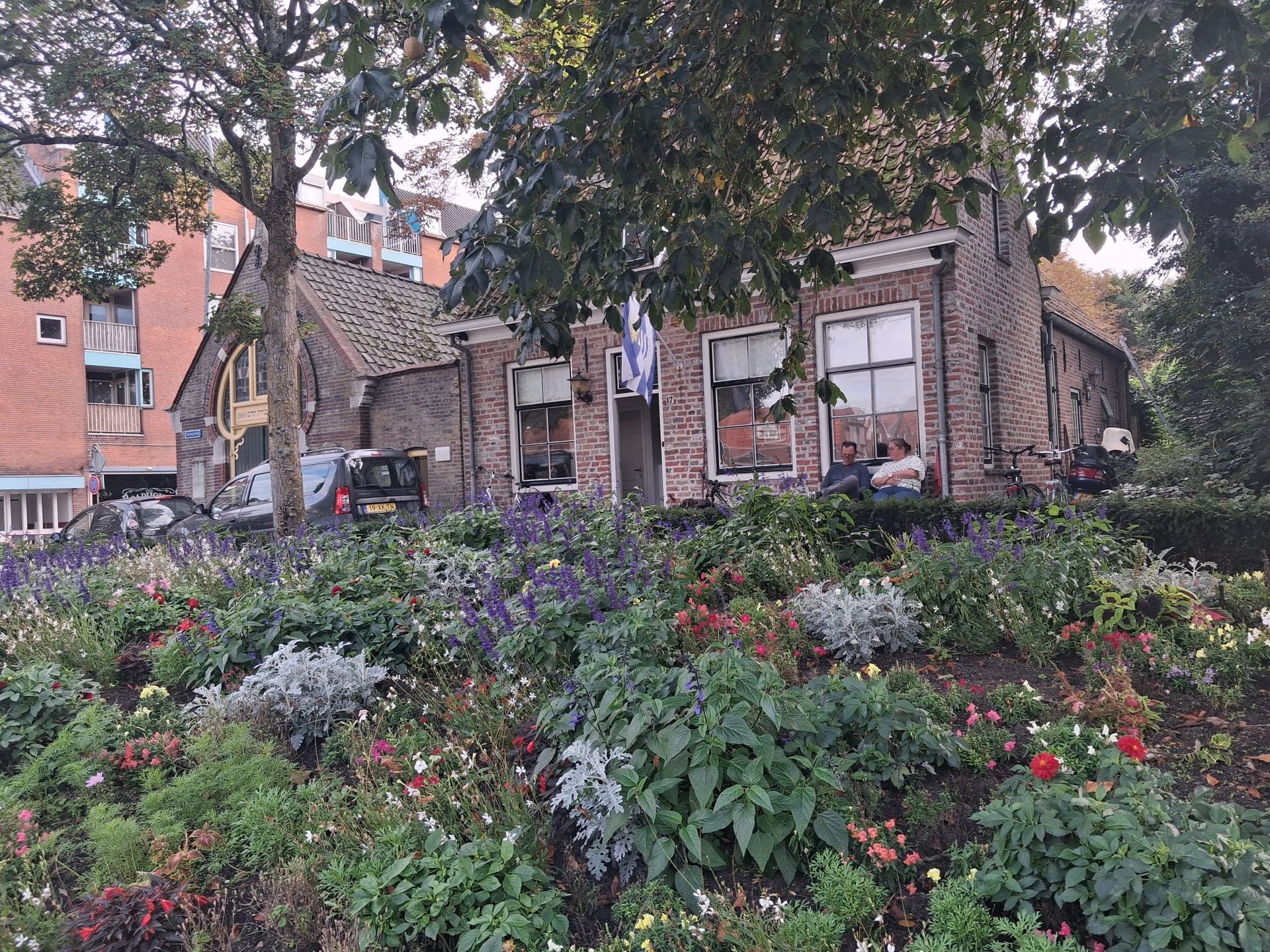
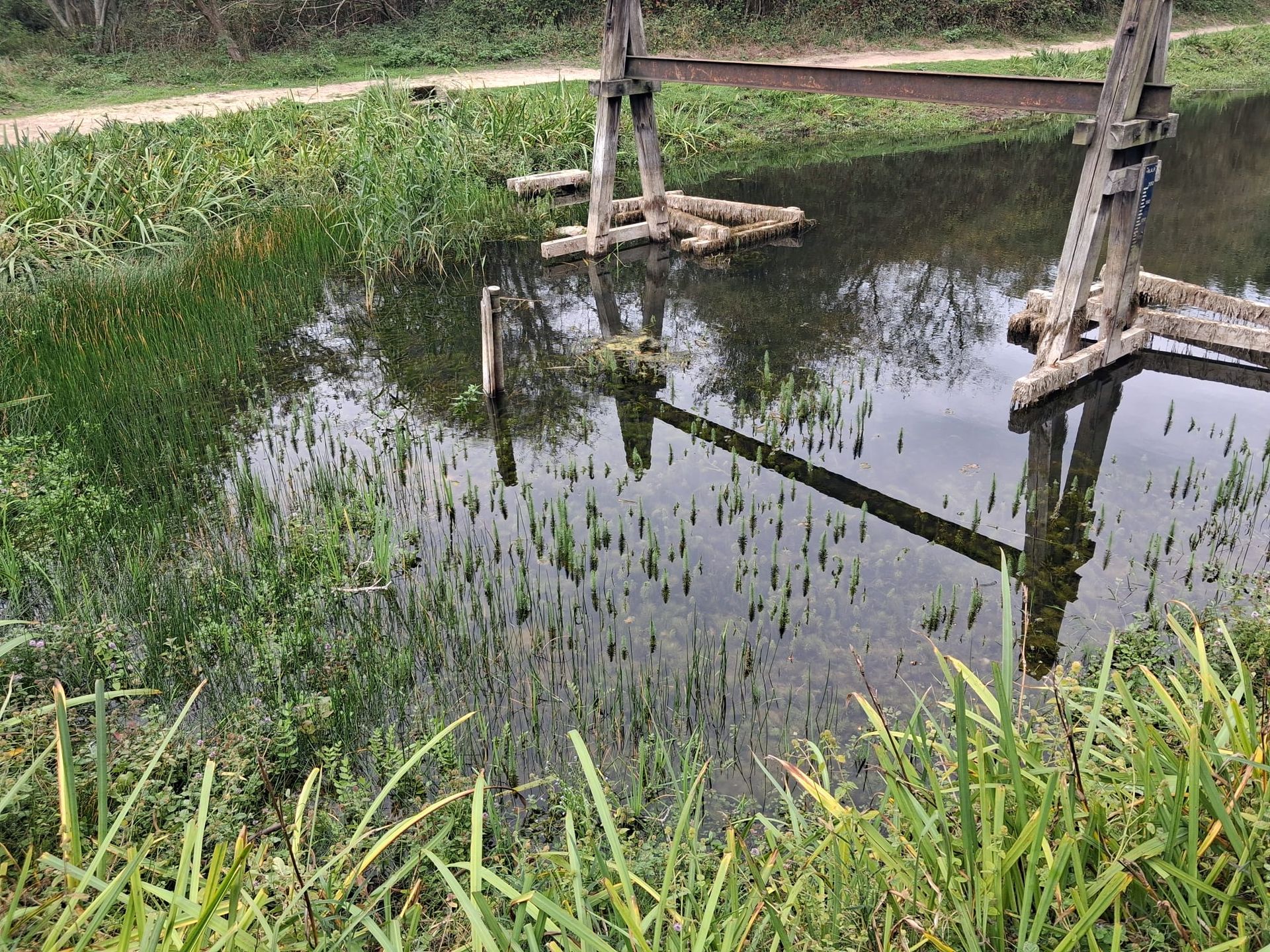
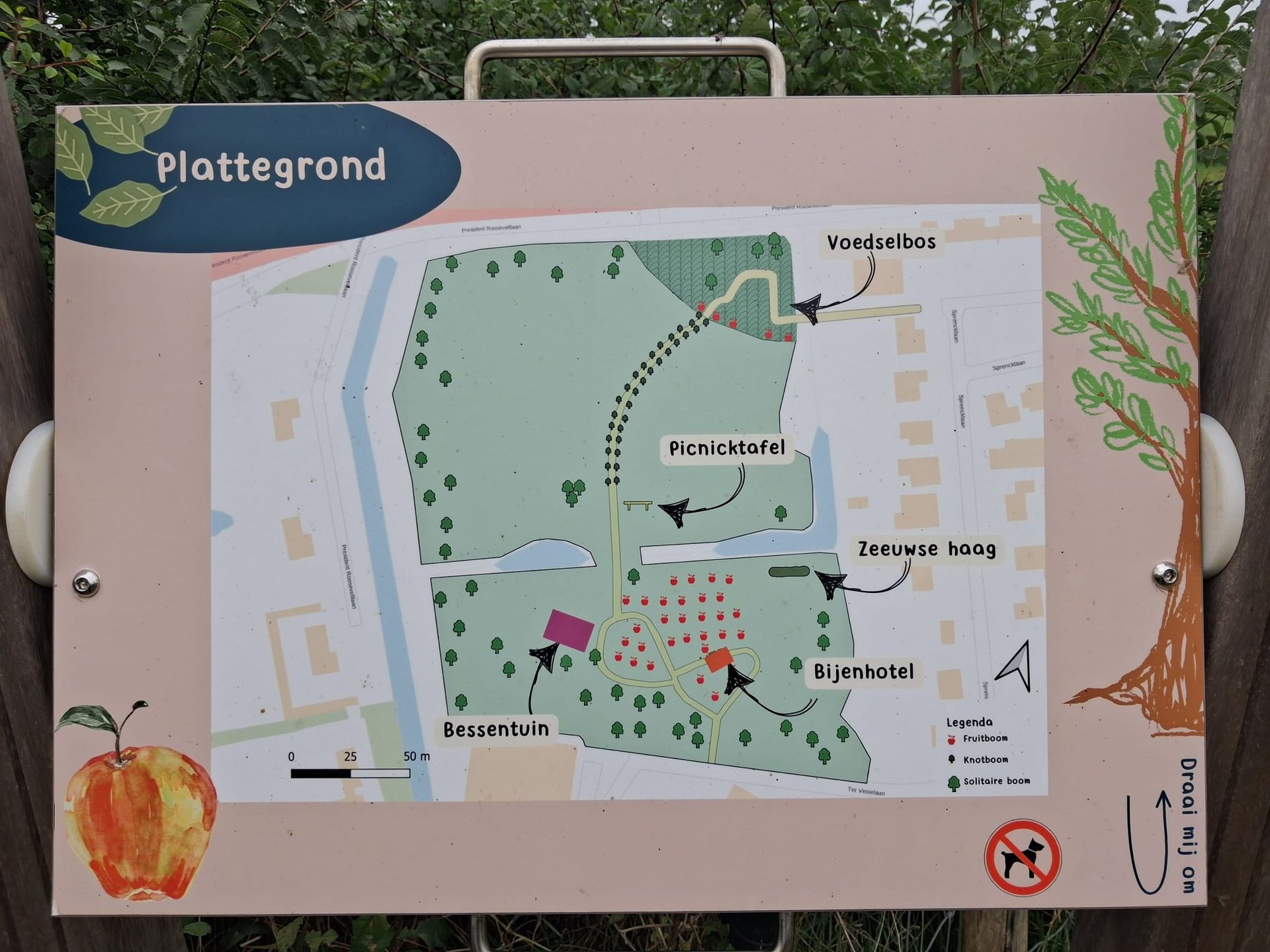
In the afternoon, the focus moved outdoors with a visit to the Sprenckweide pilot site. On the way, partners also visited another green area where clippings from PolliConnect sites are reused as part of a syntropic green maintenance approach. This gave the group a practical example of how biomass generated through biodiversity-friendly management can be integrated into wider circular and ecological maintenance practices.
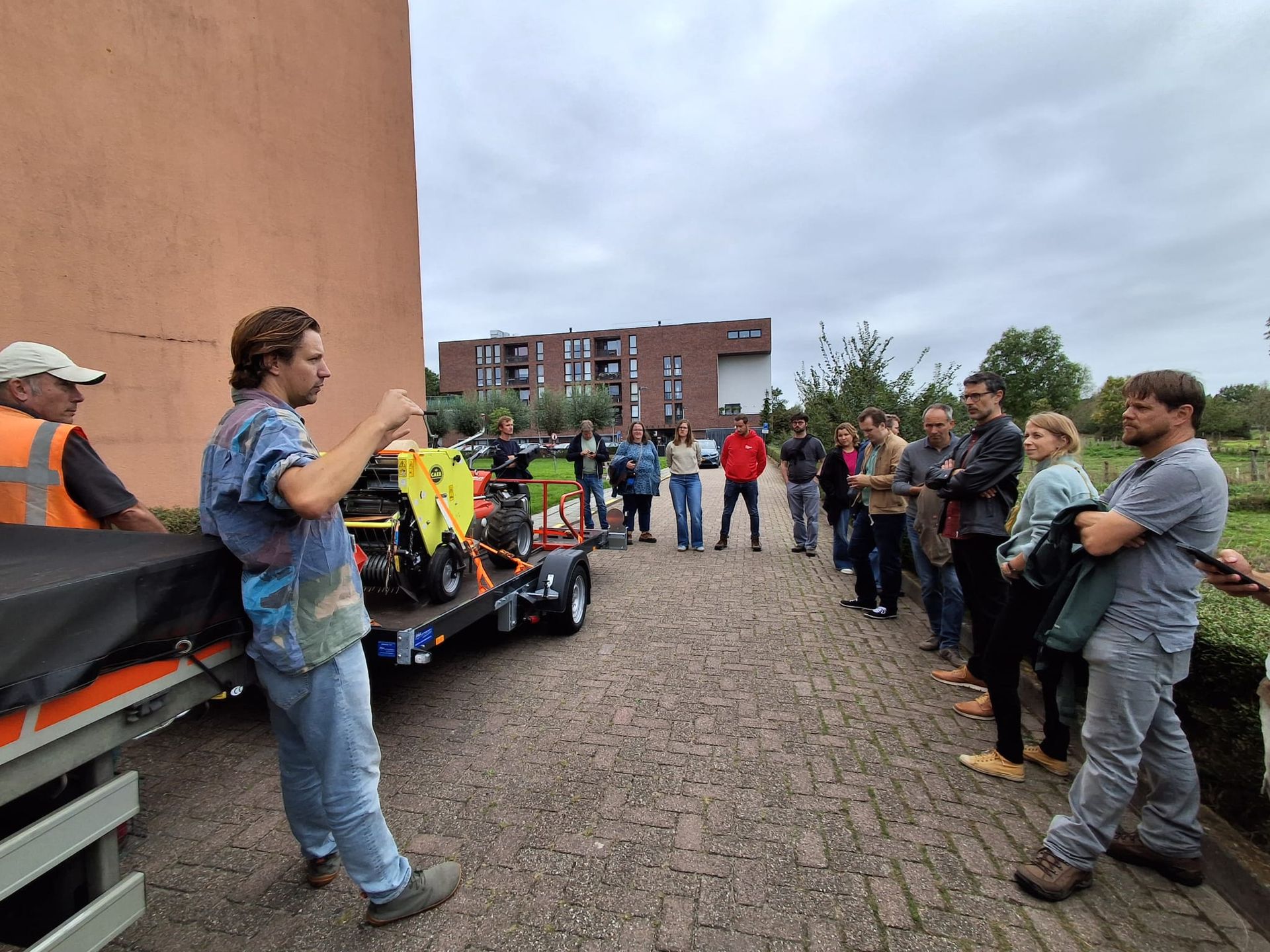
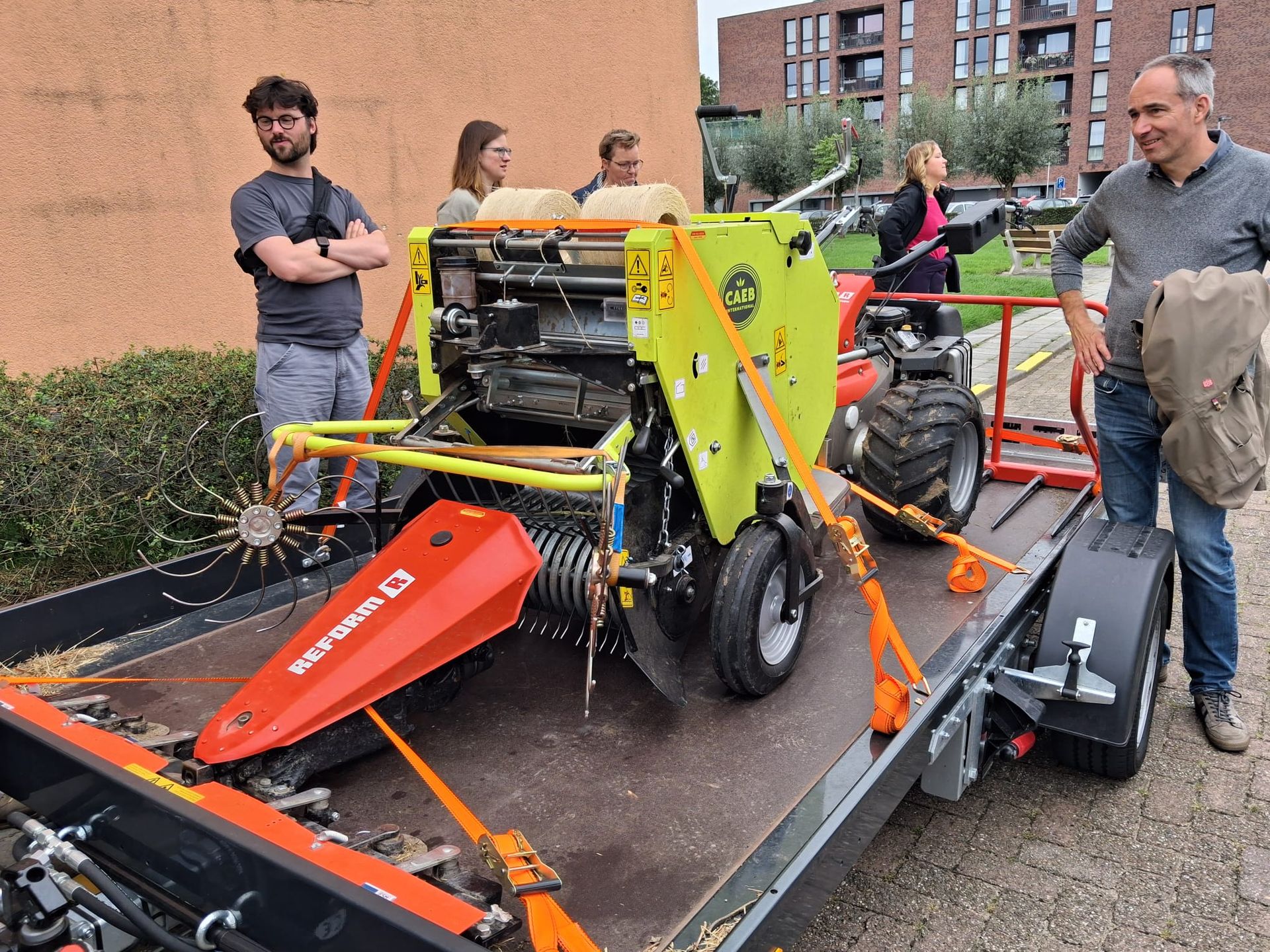
At Sprenckweide, the partners explored the Living Lab itself, discussed management choices and looked closely at the machinery and equipment used for biodiversity-friendly mowing and vegetation management. Seeing the equipment first-hand made it easier to discuss the practical realities behind ecological mowing: how vegetation is cut, how biomass is collected and removed, and how management decisions can influence habitat quality for pollinators and other species.
The visit also highlighted the importance of looking beyond individual interventions. Biodiversity-friendly mowing is not simply about mowing less. Timing, machinery, removal of clippings, vegetation structure and the surrounding landscape all influence the ecological result.
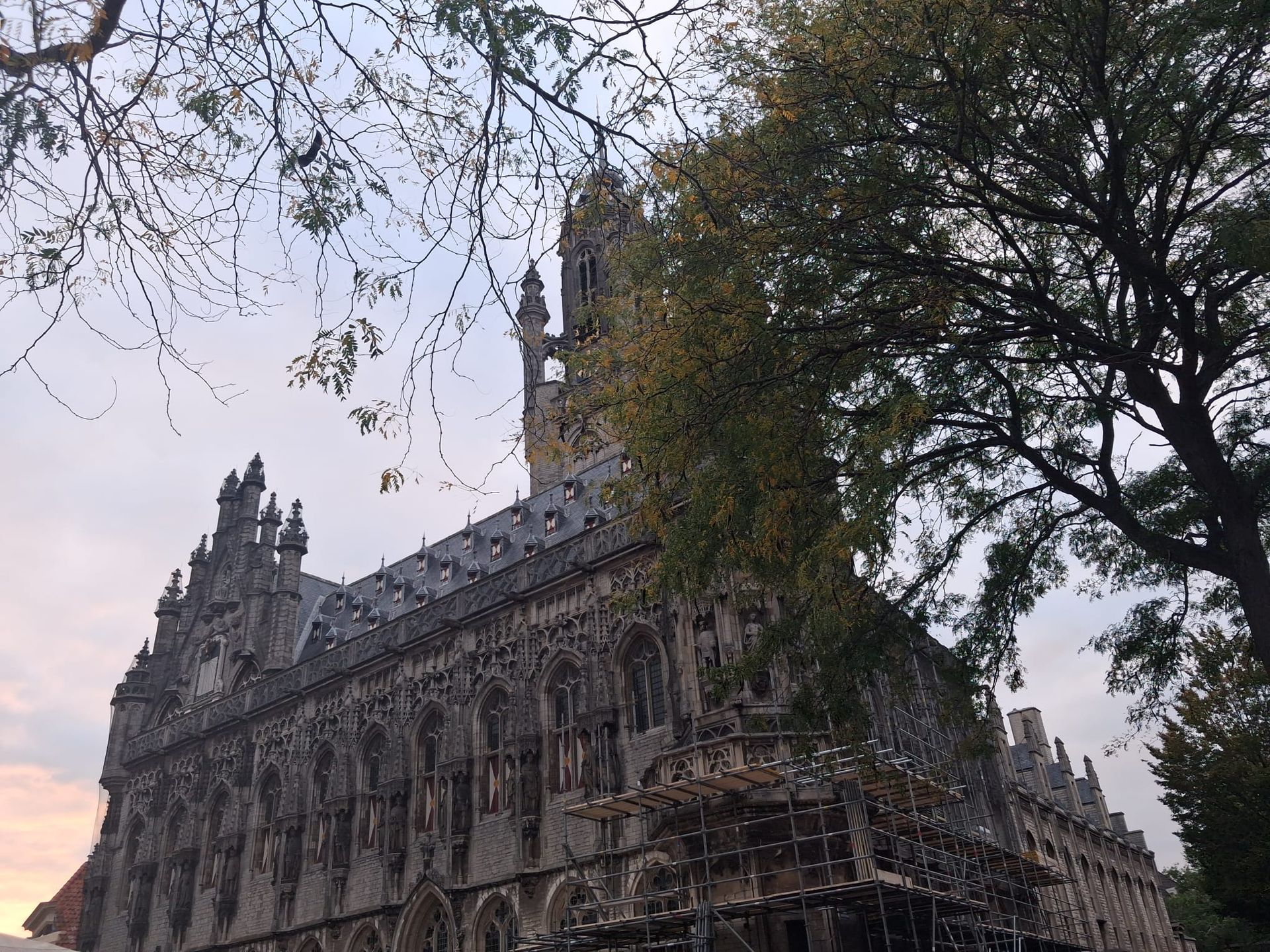
The second day continued at Middelburg City Hall with sessions dedicated to WP3, communication and project management.
During the WP3 workshop, partners identified best practices emerging from the Living Labs that can be shared across the project and beyond. The session also looked ahead to the upcoming webinar series, helping to define topics and timing for transferring practical knowledge to a wider audience.
The communication session provided an opportunity to review progress against PolliConnect’s communication and dissemination indicators, discuss partner activities and gather feedback on new communication tools, including the PolliConnect ChatBot. This exchange is particularly important as the project moves further into implementation and more results, experiences and practical lessons become available to share.
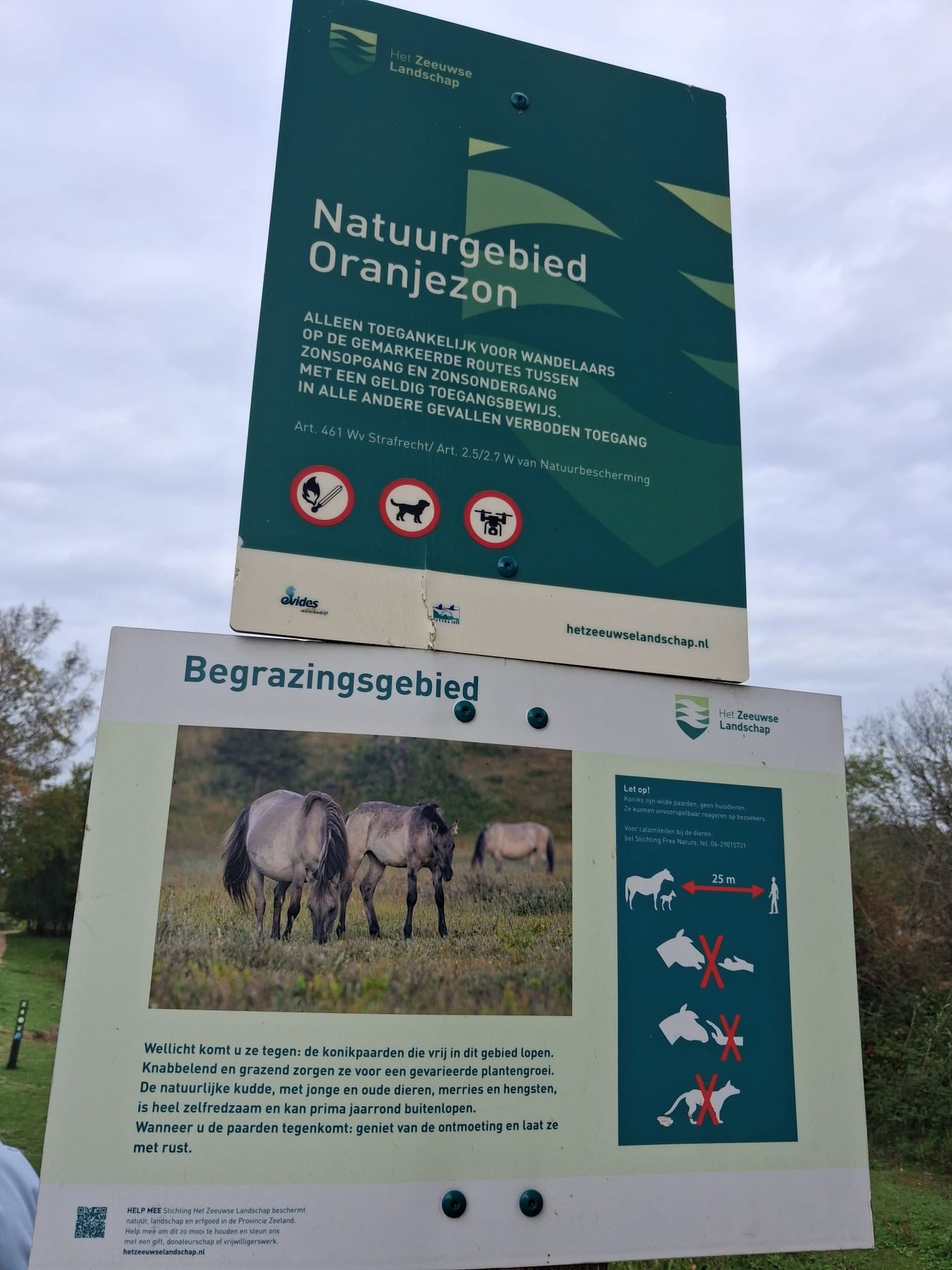
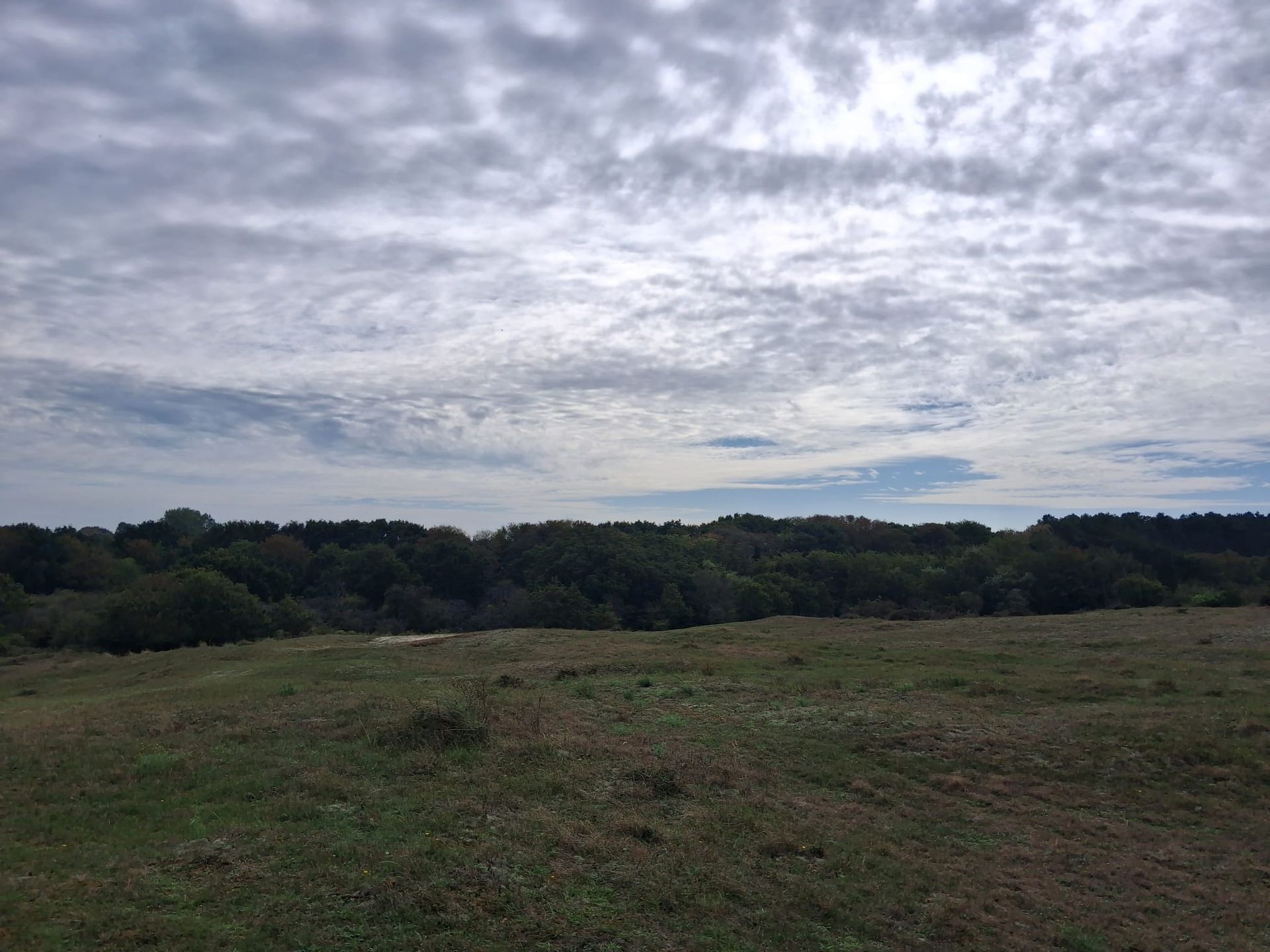
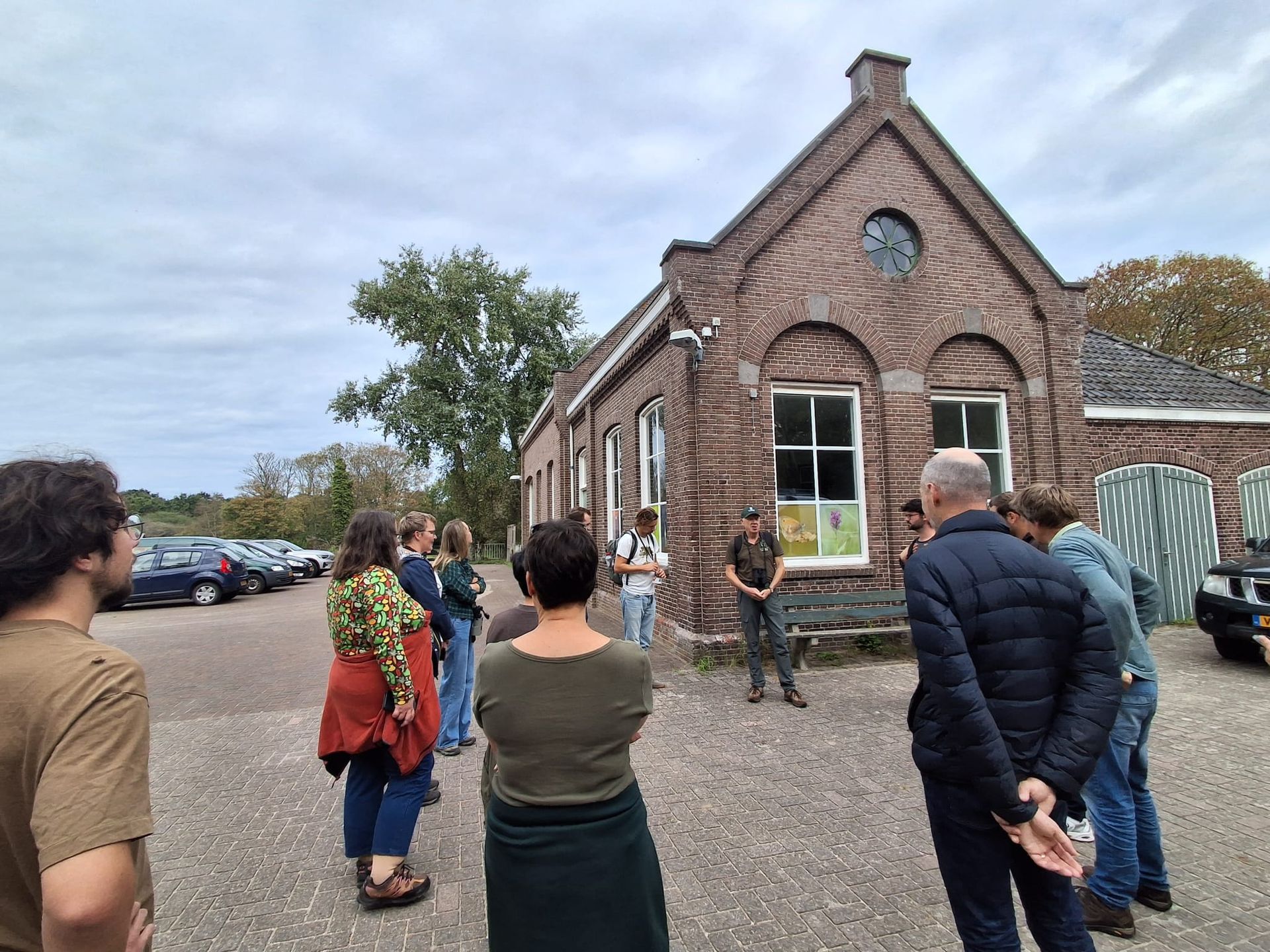
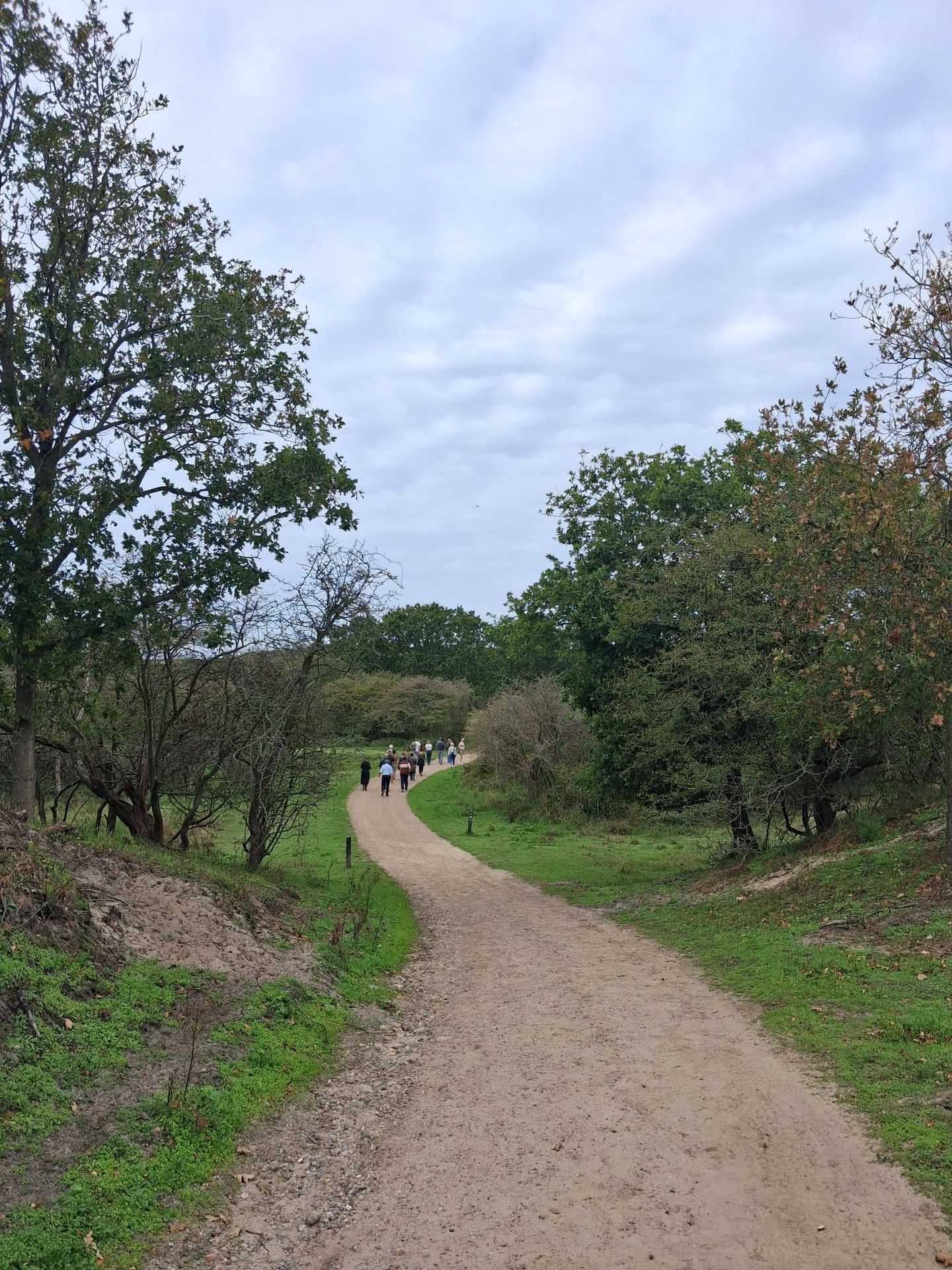
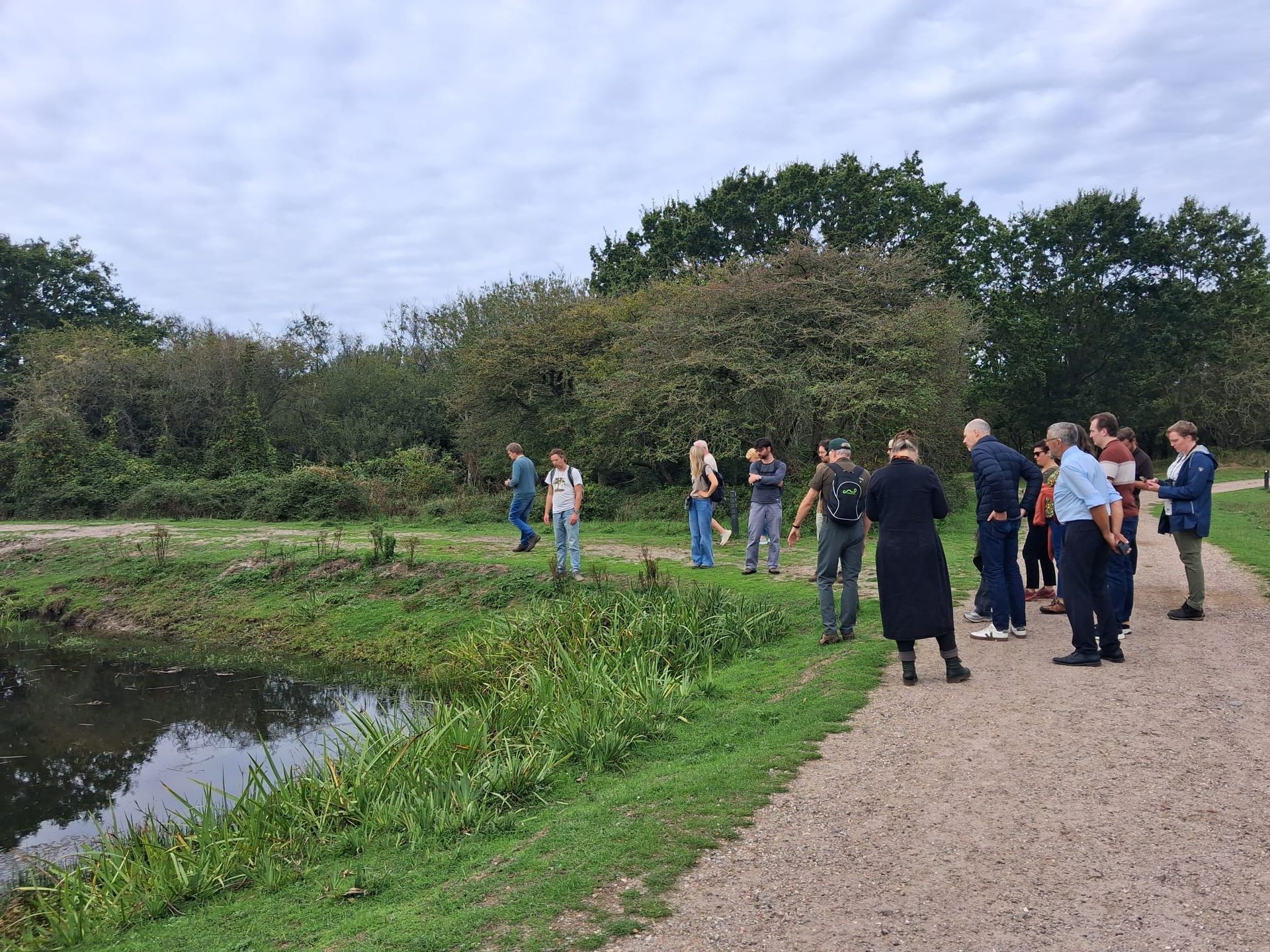
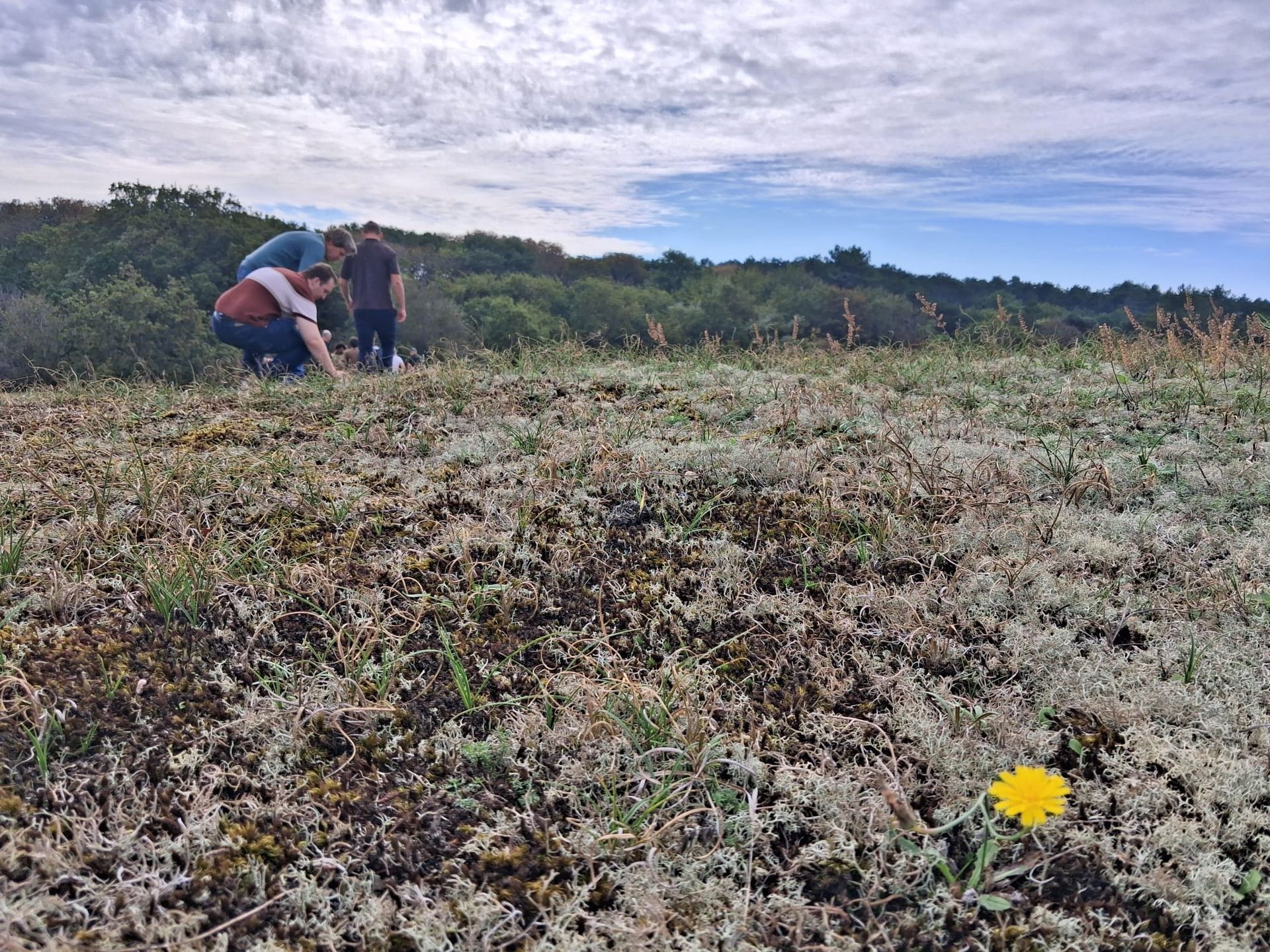
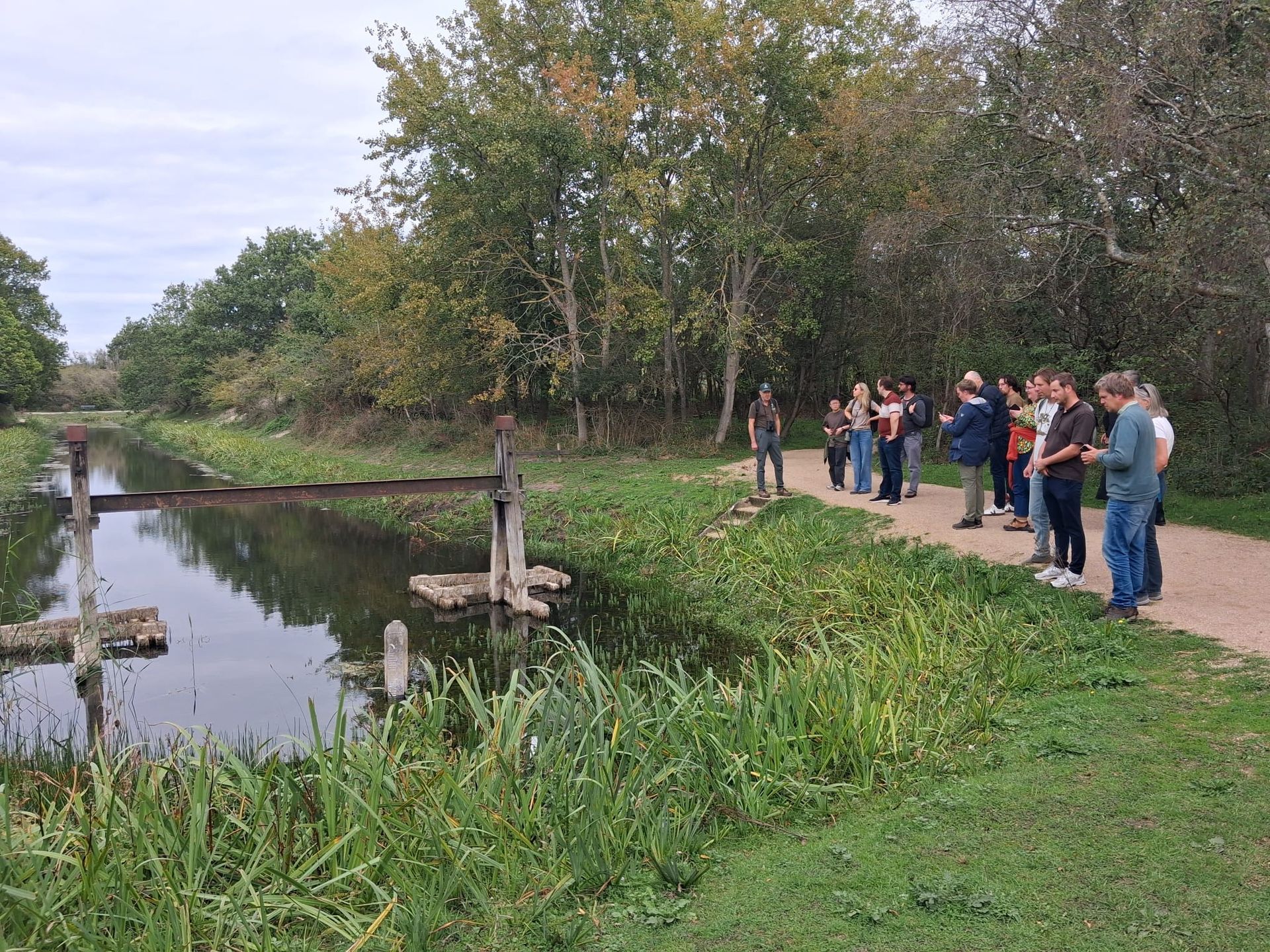
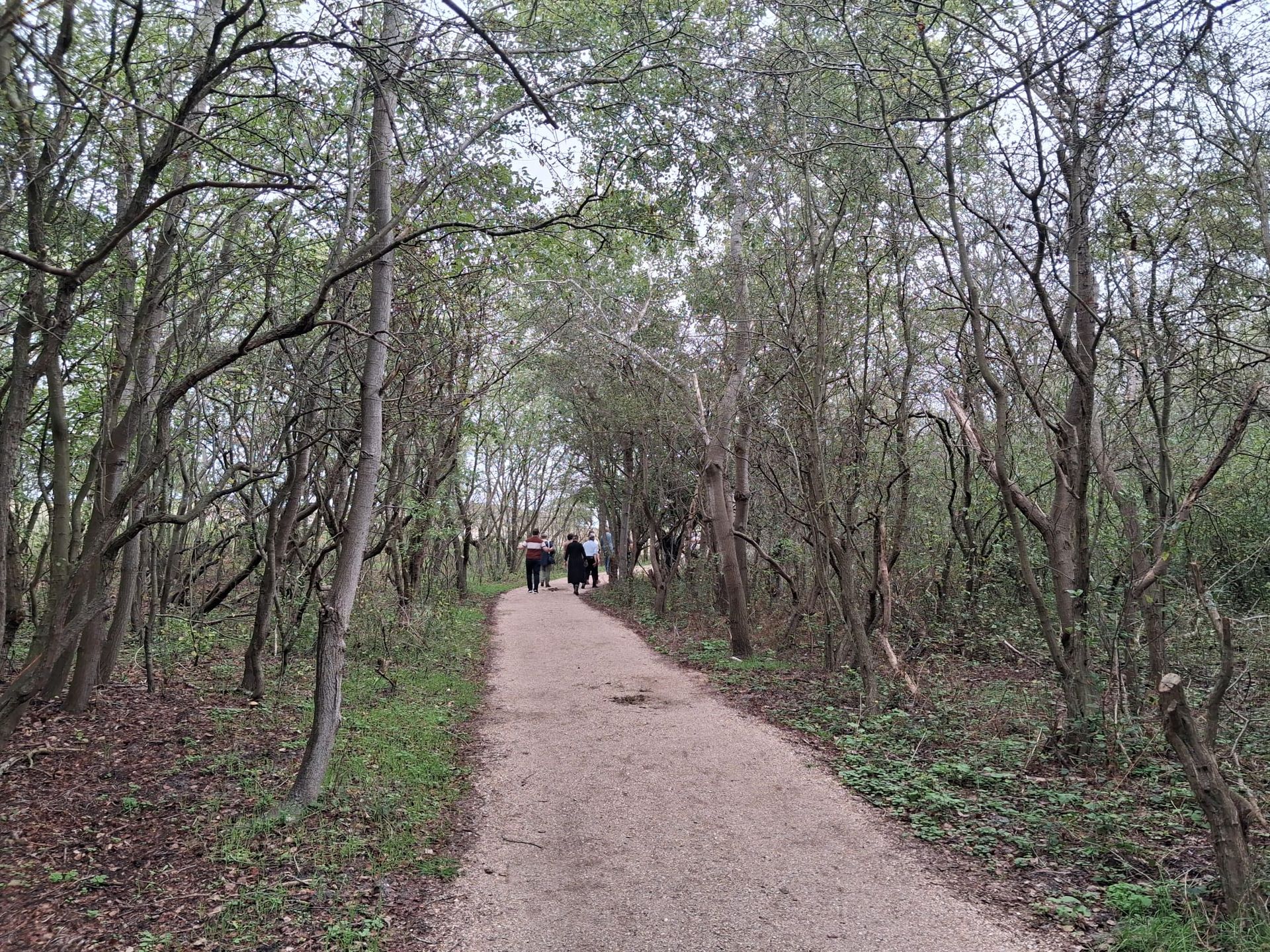
After lunch, the group travelled to Oranjezon, a Natura 2000 area, for a guided field visit. The landscape offered a very different context from the urban and peri-urban sites visited the previous day. Walking through the area, partners discussed habitat management, ecological processes and the challenges of balancing biodiversity conservation with land use and visitor access.
The visit also offered an opportunity to observe the diversity of habitats and species present in the area, reinforcing one of PolliConnect’s central messages: pollinator conservation depends on connected landscapes, not isolated interventions.
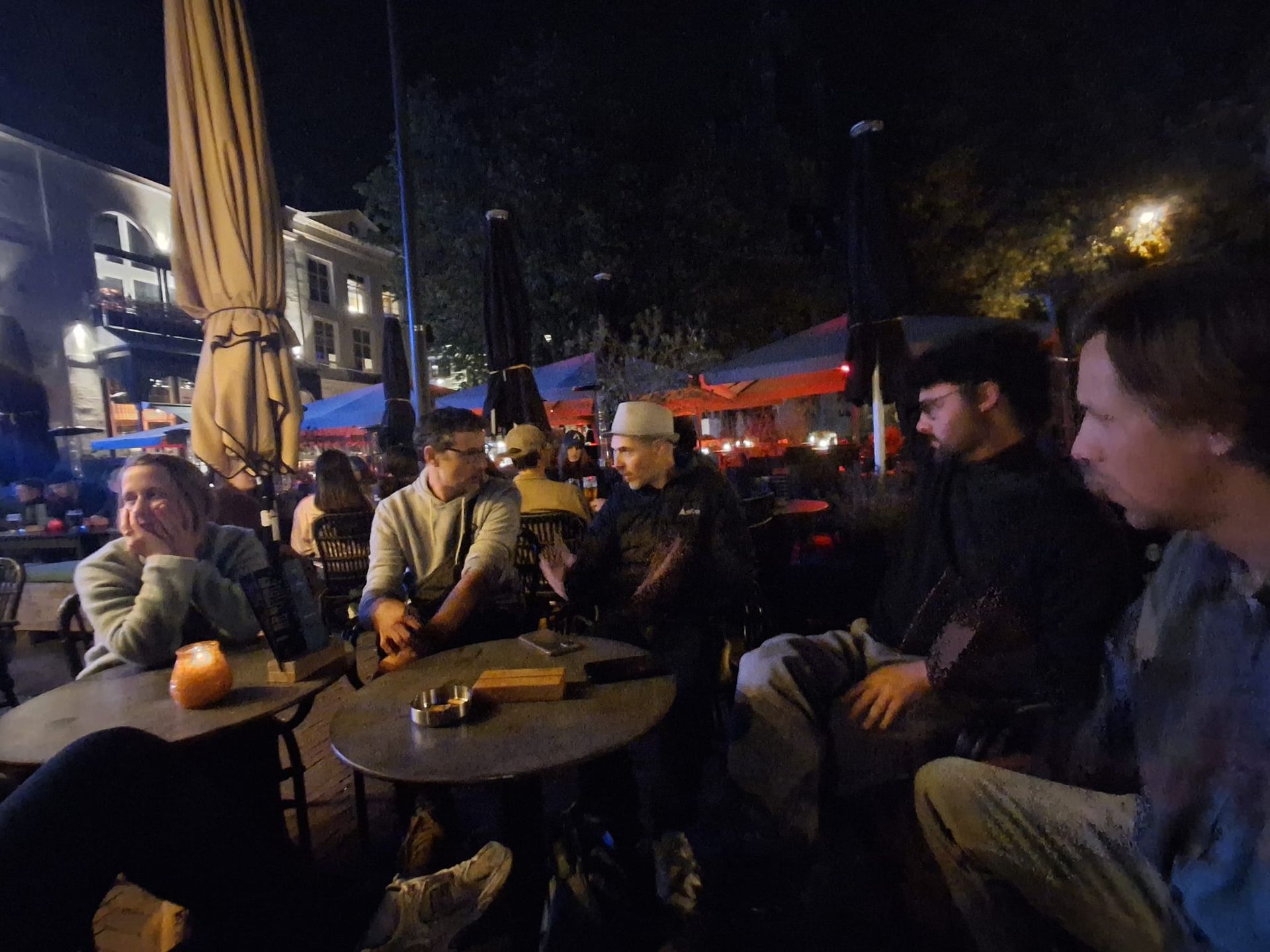
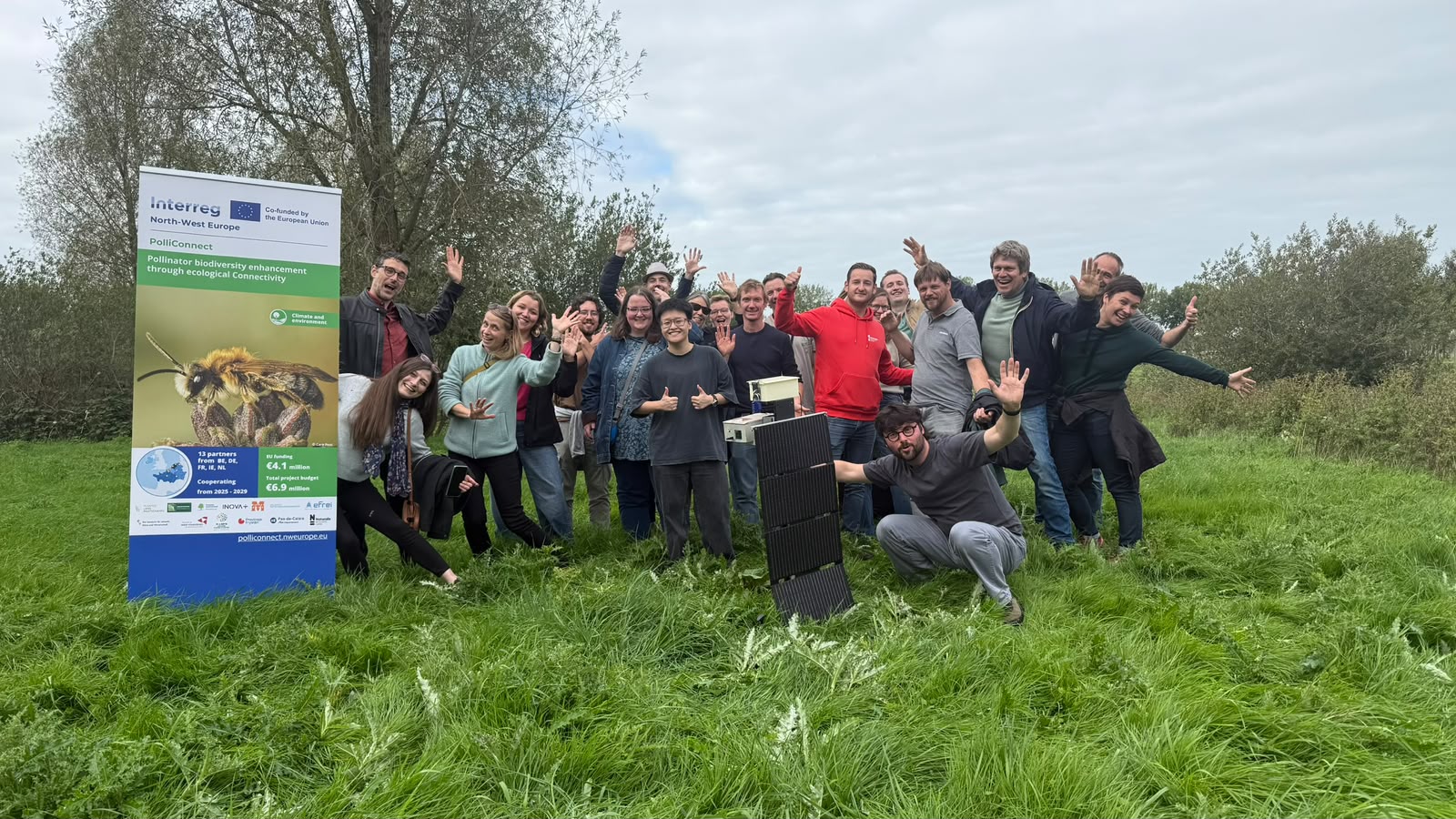
The meeting in Middelburg also showed the strength of the PolliConnect partnership itself. Bringing together partners with different backgrounds, territories and expertise creates the opportunity to learn from each Living Lab and adapt successful approaches to different local contexts.
A big thank you to the Municipality of Middelburg (Gert-Jan and Tiny as well as Bas and some others I might be forgetting) for hosting the group with so much care and organising such a good programme, and to all partners for the active discussions, questions and knowledge shared throughout the two days.
I believe we returned from Middelburg with new ideas, stronger alignment and plenty of practical inspiration for the next phase of PolliConnect.